
The Russell Brand Trial: Can a Celebrity Get a Fair Trial in the Age of Social Media

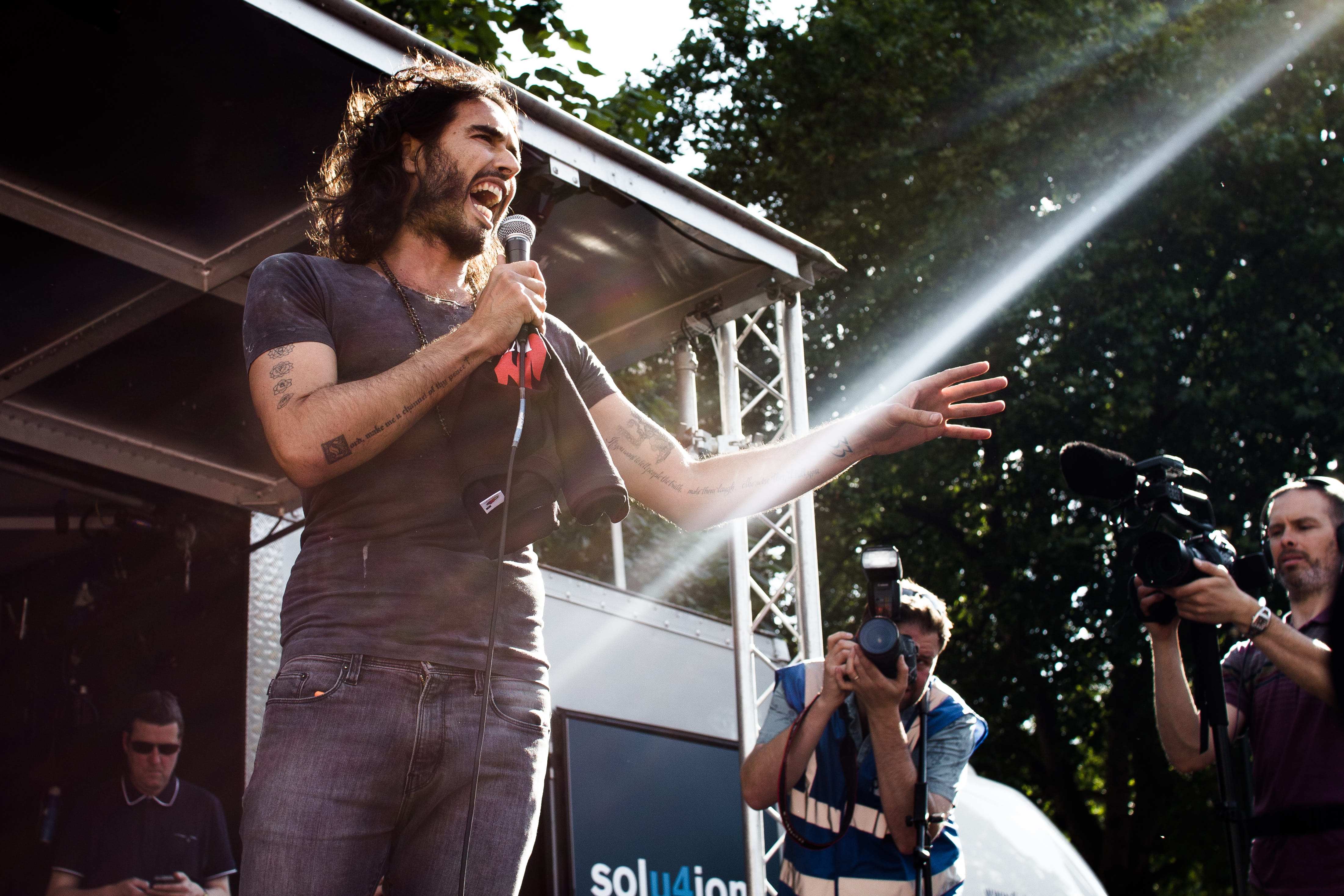
For many in the UK, the viral Russell Brand trial raised an important question: can celebrities receive a fair trial when millions of people have already heard the allegations? This article explores that question while touching on the risks of social media and how UK courts protect the presumption of innocence.
Can Celebrities Receive a Fair Trial Despite Media Attention?
When a celebrity is accused of a crime, public opinion can form long before their trial. Between news reports and social media, claims spread quickly.
However, fame does not change the right to a fair trial. Under Article 6 of the European Convention on Human Rights, everyone accused of a crime has the right to a fair hearing and is presumed innocent until proven guilty.
In jury trials, jurors must reach their verdict based on the evidence presented in court, regardless of what they may have read or heard elsewhere.
What Happened in the Russell Brand Court Case?
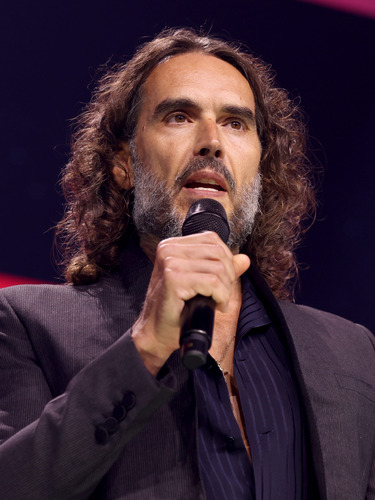
The Russell Brand allegations that led to the 2026 trial became public in September 2023 following reports by multiple newspapers and Channel 4.
A Metropolitan Police investigation led to seven charges involving six women. The comedian and actor denied the charges, but the allegations soon attracted widespread media attention.
For several years, news reports, television coverage, and social media discussions sparked intense public debate about the accusations and his response. By the time the case reached court, many people had already formed opinions about Brand's guilt or innocence.
The intense media coverage also became a legal issue. Before the trial, Brand's lawyers argued that reports had damaged his reputation so badly that he could no longer receive a fair trial.
His barrister even asked the court to stop the case. However, the judge rejected the argument, finding that jurors could still assess the evidence fairly despite the publicity.
The Russell Brand Verdict
On 5 November 2026, the Russell Brand court case ended with a mixed verdict at Southwark Crown Court.
Brand was found guilty of one count of rape and three counts of sexual assault. He was acquitted of two other rape charges and one attempted indecent assault charge.
On 9 November, Brand was sentenced to 10 years and six months in prison.
Some fans claimed the trial was still unfair. However, the mixed verdict suggests that jurors considered the evidence for each charge separately, rather than allowing public opinion to determine the outcome.
Can Celebrities Still Get a Fair Trial in the UK?
Brand not being convicted across the board supports the idea that celebrities can receive a fair trial despite intense media attention. Still, a mixed verdict cannot prove that publicity had no effect on the proceedings.
The real challenge is ensuring that media coverage does not interfere with how evidence is assessed in court.
Judges can take steps to protect a trial's fairness, including reminding jurors not to research the case online or discuss it on social media. Where legally permitted, courts may also impose reporting restrictions.
However, these safeguards have limits. However, these safeguards have limits. Even when a celebrity receives a fair court trial, “trial by media” can damage their reputation long before a verdict is reached. An acquittal may not undo that damage.
For public figures facing serious allegations, this creates two separate concerns: protecting their right to a fair trial and managing the wider consequences of negative publicity.
Both require careful decisions from the earliest stages of an investigation.
How Holborn Adams Can Help High-Profile Clients
When allegations of sexual misconduct become public, what you say and do in the early stages can affect both your defence and your reputation.
At Holborn Adams, we provide discreet criminal defence representation for high-profile clients facing sensitive investigations.
Our solicitors can help preserve important evidence, prepare you for police interviews, and advise on the legal risks of making public statements. Where appropriate, we can also work alongside media advisers to ensure that public communications do not undermine your defence.
Through pre-charge representation, we focus on building your defence before charges are brought. From celebrities and footballers to business leaders, our results speak for themselves.
If you're facing serious allegations and are concerned about media attention, contact Holborn Adams today.
Frequently Asked Questions
1. What is the presumption of innocence in UK law?
The presumption of innocence means someone is legally innocent until the prosecution proves their guilt. This applies to everyone, including celebrities. Criminal courts require proof beyond reasonable doubt. News reports, public opinion and social media claims do not establish guilt, even when allegations receive widespread attention.
2. What does trial by media mean?
Trial by media means someone appears to be judged by the public before a court reaches its decision. This often happens when news reports and social media discuss criminal allegations. The coverage may damage someone's reputation, but it does not automatically mean their trial will be unfair.
3. How do judges keep media coverage from influencing a jury?
Judges tell jurors to decide cases only on evidence presented in court. Jurors cannot research defendants online or discuss the trial on social media. Courts may also take steps when publicity raises serious concerns about fairness. These rules help protect the right to a fair trial.
4. How can social media activity lead to contempt of court?
Social media posts can amount to contempt of court if they create a serious risk of harming active criminal proceedings. This may include sharing damaging claims or information that the court has restricted. However, not every negative post is contempt. The content and timing both matter.
5. Can a celebrity receive a fair trial after years of negative publicity?
Yes. Celebrities can receive fair trials despite years of negative publicity. Judges give jurors clear instructions about ignoring outside information. Courts can also address genuine concerns about prejudice. However, widespread media coverage alone does not prove that a jury cannot reach a fair decision based on evidence.
6. Does being famous affect how sexual offence allegations are handled in court?
Being famous does not change the legal rules for proving sexual offences. Prosecutors must still prove each charge beyond reasonable doubt. However, high-profile cases may attract more media attention and raise privacy concerns. Courts must protect the defendant's rights while allowing lawful public reporting.
7. Should a celebrity respond publicly to criminal allegations?
A celebrity should seek legal advice before responding publicly to criminal allegations. Statements made in interviews or online may later become evidence. A solicitor can help decide whether a response is appropriate and explain the risks. Public silence does not stop someone from preparing a legal defence.
8. Should I hire a specialist solicitor before sexual offence allegations become public?
Yes. A specialist solicitor can help protect your legal position before allegations become public. They can advise on police interviews, preserve evidence and assess possible media risks. Early representation may also allow important defence evidence to reach investigators before they decide whether to bring charges.

