
Police Station Representation: Why It Matters

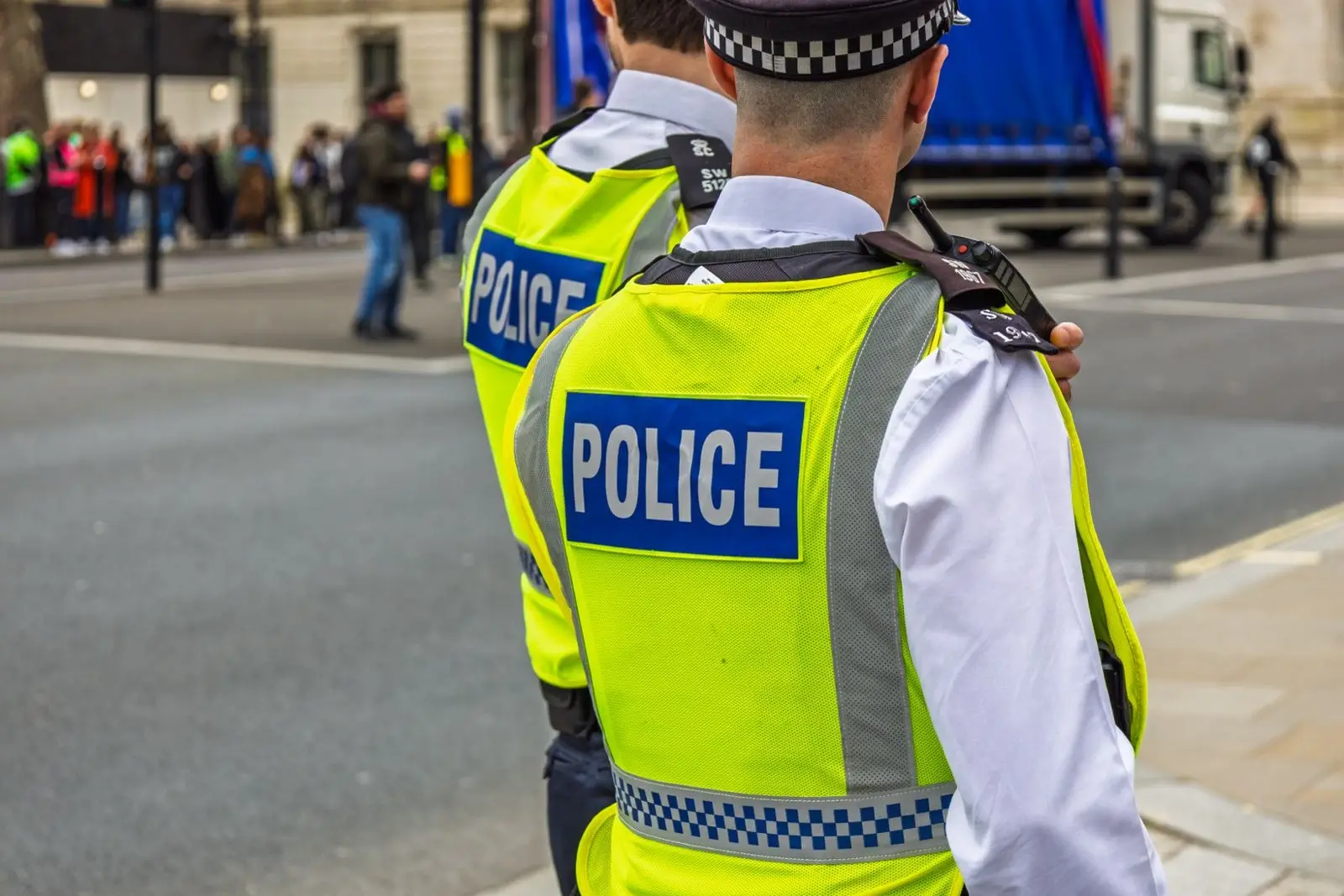
Whether you are under arrest or not, being requested to attend an interview or ‘voluntary chat’ at the police station puts you in a precarious situation. Decisions made at this stage often carry more weight than anything that follows. Understanding the value of a police station representation solicitor is about more than having someone present. It is about controlling risk at the earliest opportunity.
Interviews are evidence, and disclosure is selective. Pressure is subtle but persistent. Without structured advice from a qualified criminal defence solicitor, it is easy to speak too soon or misunderstand what is actually being alleged. At Holborn Adams, police station work is treated as the foundation of the defence, not an administrative step before court.
PACE Rights Explained
Police powers and safeguards are governed by the Police and Criminal Evidence Act 1984 (PACE). These rules exist to protect fairness, but they do not enforce themselves. The act states:
- You are entitled to legal advice before and during any interview under caution
- You are entitled to be told the nature of the allegation
- You are entitled to breaks, appropriate treatment, and protection against oppressive questioning
What matters in practice is how these rights are exercised in a criminal defence case. Knowing when to pause an interview, challenge a question, or seek clarification can prevent misunderstandings from becoming part of the record. Early advice ensures the process remains lawful and proportionate.

Voluntary vs Under-Arrest Interviews
Many people assume that a voluntary interview is informal or lower risk. This is a mistake to be avoided at all costs.
A voluntary interview carries the same legal weight as one following arrest. Anything said can be relied upon as evidence. The difference lies in custody powers, not evidential consequences.
Police may frame a voluntary interview as an opportunity to “clear things up.” Sometimes that is true, but often it is not. Without disclosure and preparation, the risk is the same. Proper advice from experienced criminal defence lawyers ensures the approach taken reflects the reality of the situation, not the label attached to it.
Disclosure Before Interview
Disclosure at the police station stage is limited, but it is not optional. Officers must provide sufficient information to allow meaningful legal advice.
A criminal defence case disclosure may include summaries of allegations, key documents, or the basis for suspicion. Where disclosure is vague or incomplete, it can and should be challenged.
Understanding what is missing is as important as understanding what is provided. Digital evidence, third-party material, and forensic results are often outstanding at this stage. A clear record of what has not yet been obtained helps shape later representations and avoids unfair assumptions taking hold early.
Midway through the process, the value of a police station representation solicitor becomes clear. Strategic restraint, based on incomplete disclosure, is often the safest course.
Managing Incomplete Information
Police investigations develop over time. Interviews frequently take place before all enquiries are completed. Any advice must account for that uncertainty and avoid filling gaps on the prosecution’s behalf.
Answering, Statement, or No-Comment
There is no universal rule on how to respond in an interview. Each option has strengths and risks. The best option at this point is to get advice from qualified solicitors for criminal defence matters.
Answering questions can be effective where disclosure is clear and the account is straightforward. A prepared statement may be appropriate where context matters, but questioning would invite speculation. Silence can be justified where disclosure is limited or allegations are unclear.
Never rush your choice. It should follow a thorough examination of the facts, the allegation, and the overall approach. What feels cooperative at the time can be difficult to undo later.
Clear advice provided by our criminal law solicitors at this stage keeps the defence coherent as the case progresses.
Next Steps After the Interview
What happens after the interview often shapes both the pace and direction of the investigation. You may be released without charge, placed under investigation, or granted bail. Each outcome brings its own responsibilities. Any conditions, reporting requirements, or limits on contact need to be observed at this stage.
This period is not passive. Disclosure can be pursued, enquiries suggested, and representations prepared. The interview is not the end of the defence process at the police station stage. It is the time to start shaping what comes next in the criminal defence case.
How Holborn Adams Supports Police Station Matters
Our approach is systematic and purposeful. We prepare for the interview, stay engaged throughout questioning, and follow up soon thereafter.
We review detention records, assess disclosure, and provide advice on how to conduct interviews. When the investigation becomes speculative or harsh, we step in. Following publication, we continue to monitor the inquiry and take action where progress stops or fairness is jeopardised.
Alongside the legal process, we provide practical guidance on work, professional regulation, and reputational concerns. Police station matters rarely exist in isolation, and the legal advice you are given should reflect that.
Practical Cautions
- Do not treat a voluntary interview lightly
- Do not guess or speculate in an interview
- Do not discuss the allegation with others
- Preserve all messages, devices, and documents
- Maintain accurate records and strictly adhere to any bail or release under investigation (RUI) restrictions
How To Proceed
Attending a police interview is one of the most important moments in any criminal case. Early decisions can either limit risk or create it. The involvement of a police station representation solicitor ensures those decisions are informed, deliberate, and aligned with a wider defence strategy.
If the police have contacted you, or you are asked to attend an interview, seek advice before engaging. Early guidance often makes the difference between a controlled investigation and one that escalates unnecessarily.
This article is general information and not legal advice. For confidential assistance, contact Holborn Adams to speak directly with a solicitor.

