
Location and Cell-Site Data in Sexual Offence Defence


Digital evidence now plays a major role in criminal investigations. Police and prosecutors regularly use mobile data, location data, and cell-site data to build timelines, support allegations, and place individuals at certain locations.
In sexual offence investigations, this evidence often becomes central to the prosecution's case. The problem with this is that many people assume digital evidence is always accurate. The reality is far more complicated.
Television and other media create the impression that mobile phones can track someone’s exact movements at all times. But cell-site analysis has critical limitations. Not realising this, investigators may draw conclusions that go beyond what the evidence actually proves.
If you are facing a sexual offence charge, there is a good chance that cell location data may be used against you. Understanding how it really works will be essential to your defence.
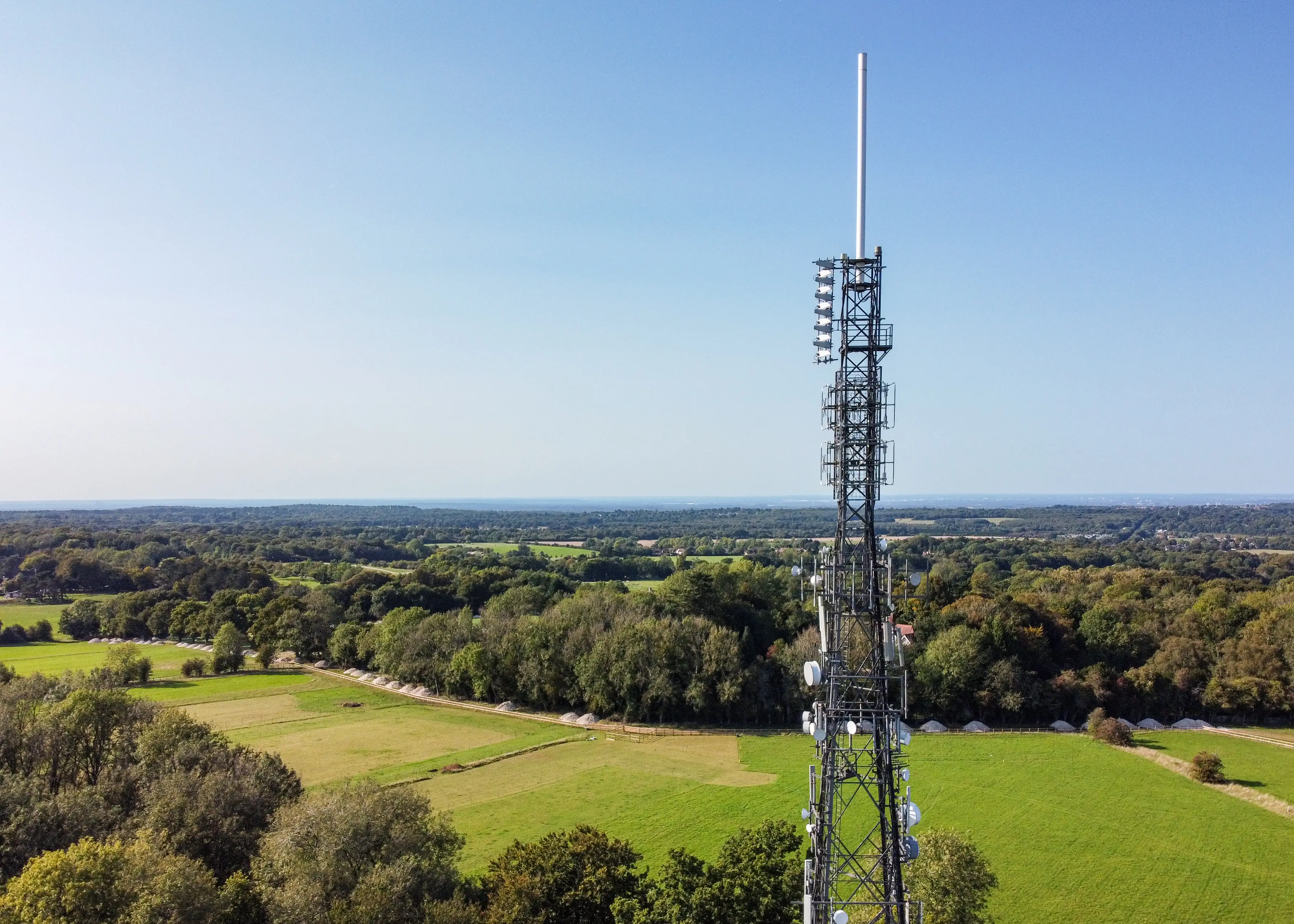
What Is Cell-Site Data?
Cell-site data is a record of how a mobile phone connects to nearby cell towers. It includes connections during calls, texts, or internet use. Investigators often use these records to estimate where a device was at a particular time.
It is important to note that cell-site data is not the same as GPS tracking. GPS systems can provide far more precise positioning. Cell-site analysis usually identifies only a broad coverage area rather than an exact location. This is a critical distinction.
There are also several factors affecting which tower a phone connects to. Because of buildings, weather, weak signals, network congestion, and geography, a phone may not connect to the nearest tower.
If a prosecutor uses location data to say a client was in a certain place, they might be incorrect. But if no one is there to challenge that assertion, it may not matter.
Why Prosecutors Use Mobile Data
Police and prosecutors increasingly rely on mobile data to build movement timelines and communication patterns. They may argue that location data places a suspect near an alleged incident or contradicts an alibi.
In cases involving the Sexual Offences Act 2003, investigators often combine:
- Cell-site records
- Text messages
- Social media activity
- Internet searches
- Call histories
Taken together, this information can create a detailed narrative about relationships, movements, and communication among parties. But it can also create misconceptions.
Jurors often find digital evidence persuasive because it appears scientific and objective. However, prosecutors may sometimes present location data with more certainty than the underlying evidence supports.
The Limits of Cell-Site Analysis
One of the biggest misconceptions about cell-site data is that it can identify an exact location. What it actually provides is an “approximate area of coverage.” On top of the aforementioned issues, there are also problems of:
- Signal overlap
- Shared devices
- Incomplete records
- Environmental interference
- Timing discrepancies
Additional issues can arise when investigators rely too heavily on mapping software or on simplified forensic analysis. In some cases, experts may unintentionally interpret data in a way that supports an existing theory.
Independent reviews of telecom evidence have repeatedly warned against treating location data as definitive proof. Even the UK Forensic Science Regulator has stressed the need for proper forensic standards in digital investigations.
But all of this hinges on the defence examining the evidence and determining whether it genuinely supports the presented conclusions. Flawed digital analysis and overconfident expert opinions can do significant damage if nobody is willing to challenge them.
How Mobile and Cell-Site Data Can Undermine Allegations
Mobile data does not only help prosecutors. In many cases, it may actually weaken criminal allegations. This is especially true when it is combined with other forms of digital evidence.
Phone records can expose gaps in prosecution timelines or reveal inconsistencies in witness accounts. Communication records between individuals continue long after the alleged incident, potentially undermining parts of the prosecution narrative.
But cell-site analysis can show that a device was not in the location investigators originally claimed. A phone connecting to a particular tower does not automatically place someone at a precise address.
Unfortunately, such issues may end up overlooked due to disclosure problems. Police extraction reports do not always include every message, app record, or piece of metadata stored on a device. Without an independent review, investigators may present only part of the digital picture.
Challenging Mobile and Location Data in Court
Early scrutiny of digital evidence can significantly affect charging decisions and the direction of the case. Once investigators build a narrative around mobile data or location data, challenging those assumptions later can become far more difficult.
If a case does end up in court, defence solicitors can still call into question:
- The methodology used by investigators
- The interpretation of location data
- The reliability of forensic procedures
Experienced solicitors will also instruct independent telecom experts to review the accuracy of police analysis and provide alternative explanations.
Conclusion
Mobile data, location data, and cell-site data now form a major part of many sexual offence investigations. But while this evidence may appear highly persuasive, it is not always as conclusive as it appears.
Successfully challenging cell-site data requires more than basic criminal defence experience. But not every solicitor has the technical knowledge, forensic understanding, or specialist expert connections needed to properly analyse complex mobile evidence.
Without careful scrutiny, investigators and prosecutors may present conclusions that go far beyond what the data actually proves.
At Holborn Adams, we know how to challenge cell-site analysis at every stage of the process. When instructed during the pre-charge phase, our expertise enables us to prevent many cases from ever going to court.
If they do produce charges, we work closely with independent forensic specialists to dismantle weak digital evidence, expose flawed assumptions, and challenge prosecution narratives before a jury.
In modern criminal defence, understanding technology has become just as important as understanding the law itself. If you’re facing charges for a sexual offence, you need a leader in the field. That’s Holborn Adams.
Frequently Asked Questions
What is cell-site data?
Cell-site data shows which mobile phone towers a device connected to during calls, messages, or internet use. Investigators use these records to estimate a phone’s general location at a certain time. It is sometimes combined with call data records and mobile network data to prove allegations.
What is the difference between cell-site data and GPS?
GPS tracking is usually far more precise. Cell-site data from mobile devices generally shows only a broad coverage area rather than an exact location.
What is the Sexual Offences Act of 2003?
The Sexual Offences Act 2003 is the main law governing sexual offences in England and Wales. It defines offences such as rape, sexual assault, and offences involving consent, while also setting out important rules used during criminal investigations and prosecutions.
How do police use mobile data in sexual offence cases?
Police use mobile data and location data to build timelines, review communication patterns, and compare phone activity with witness accounts or allegations. They employ cell site experts to try to pin signals to a geographic area.
Does location data prove someone was at a specific address?
No. Cell-site analysis usually identifies only an approximate area. Environmental and technical factors can affect which tower a phone connects to.
Can mobile phone evidence be inaccurate?
Yes. Incomplete records, metadata errors, shared devices, and flawed forensic analysis can all affect reliability. Digital evidence must be reviewed carefully.
Can deleted messages still be recovered?
Sometimes. Investigators and forensic analysts may recover deleted material depending on the device, applications used, and how much time has passed.
Should I give the police immediate access to my phone?
You should seek legal advice before providing access to your device. Mobile phones often contain large amounts of personal and contextual information that may later be interpreted differently during an investigation.
Should I contact a solicitor before responding to digital evidence?
Yes. Early legal advice is extremely important in cases involving mobile data or location data. Defence solicitors can review forensic material, challenge flawed assumptions, and preserve important evidence before charging decisions are made.

