
Historic Allegations Delay, Memory and Fairness Arguments

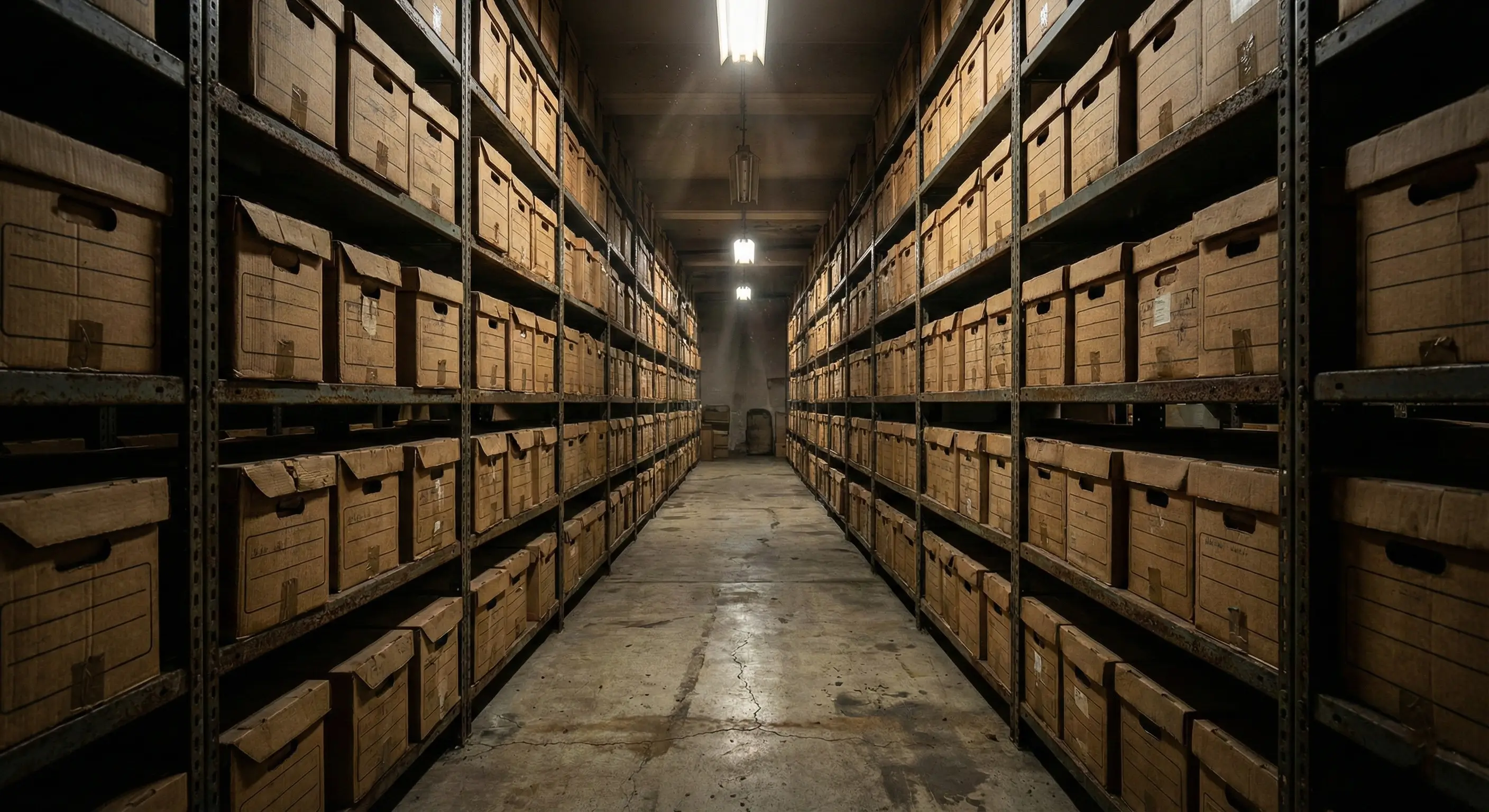
The number of historic allegations investigated in the UK has increased significantly in recent years. Such cases often involve events said to have taken place decades earlier. They often involve schools, religious organisations, sports clubs, and family settings.
Despite their age, historical sexual abuse cases are often emotionally charged and highly complex. They may involve child sexual abuse or other sexual offences that include abuse and neglect that were never reported to the police.
But the seriousness of an allegation does not remove the need for fairness. Courts must still ensure that criminal proceedings remain balanced, reliable, and evidence-based.
The passage of time can create serious problems here. Witness memories may fade, records may disappear, and important evidence may no longer exist. Delay can therefore affect both the reliability of the evidence and the fairness of the legal process itself.

What Are Historic Allegations?
Historic allegations are accusations involving conduct said to have happened many years earlier. These cases may involve criminal investigations, civil claims, or both.
There are many reasons why allegations may emerge years later. Some individuals may delay reporting because of fear, shame, or trauma. Pressure from institutions or family members is also common. Others may come forward after media coverage or public investigations encourage further complaints.
Unlike modern investigations, historic cases often contain very little physical evidence. CCTV footage, digital communications, medical records, and forensic material may no longer exist, if they existed in the first place. Witnesses may be impossible to trace.
As a result, courts often rely heavily on recollection and witness accounts to support the victim’s claims.
Delay and Memory in Historical Sexual Abuse Cases
Delay remains one of the most difficult issues in historic allegations. Human memory does not remain fixed over time. Recollection can change through discussion, suggestion, media influence, or the simple passage of years.
It is important to note that inconsistencies do not automatically mean a witness is being dishonest. Memory change is natural and not a direct indication of bad intentions. However, defence solicitors must still examine whether evolving accounts affect reliability and accuracy.
Questions surrounding trauma and memory also play a major role in historical sexual abuse investigations. Some experts believe trauma can affect how memories are stored or recalled. Others warn against assuming delayed recollections are always accurate.
Analysing chronology, inconsistencies, and changes in witness accounts are part of any historic allegations defence. The goal is not to dismiss the claims outright. It is to ensure they are properly tested against the available evidence.
Procedural Fairness and Missing Evidence
Procedural fairness is central to every criminal case. This means that a defendant must have a fair opportunity to challenge the evidence against them. This holds true regardless of when allegations are made.
Delay can create major fairness concerns. Records get destroyed, witnesses move or pass away, and evidence that could have assisted the defence may disappear.
Courts, therefore, need to examine whether a fair trial remains possible despite these difficulties. In some cases, defence solicitors may argue that the delay has caused serious prejudice to the defence.
Disclosure problems are also common in historic allegations. Important documents, prior complaints, institutional records, or earlier investigations may be missing entirely. It is critical that defence teams examine disclosure carefully. This allows them to identify gaps, conflicts, or missing material that may affect fairness.
Historical Sexual Abuse Compensation Claims
Modern investigations increasingly involve overlap between criminal proceedings and historical sexual abuse compensation claims. These “parallel proceedings” can affect witness accounts, disclosure, and public perception.
It is important to know that civil claims are subject to a lower standard of proof than criminal prosecutions. This means a compensation claim does not automatically establish criminal guilt. However, statements made during civil proceedings may still become relevant in a criminal investigation.
Defence solicitors need to work closely with courts in these situations. The goal is to ensure they assess each allegation based on reliable evidence. They should never succumb to public pressure, assumptions, or emotion.
Why Early Legal Advice Matters
Historic allegations can create serious reputational, emotional, and professional consequences long before any trial takes place. Early legal representation is key to reducing negative impacts.
The earlier you seek legal representation, the more time your defence solicitors will have to analyse the case. That can review disclosure, reconstruct timelines, identify missing evidence, and challenge procedural unfairness before they become problems.
The pre-charge stage is the best time to proactively engage with police and employ experts to assist with memory reliability or institutional records. With the right team, you could avoid seeing charges altogether.
Holborn Adams Protects Your Rights and Freedom
Historic allegations present some of the most difficult challenges in criminal law. The delay between crime and court can compromise memory, disclosure, witness reliability, and the overall fairness of the proceedings.
While the allegations are no doubt serious, the court must balance them against the defendant’s right to a fair trial.
At Holborn Adams, our experienced solicitors know how to challenge unfair prosecutions, analyse historic evidence, and protect our clients during complex investigations. We know that effective defence in these cases depends on strategic preparation, detailed analysis, and a strong commitment to procedural fairness.
If you are facing allegations of past criminal activity, your first call should be to Holborn Adams. We will fight from the beginning to protect your future and your reputation.
Frequently Asked Questions
What are historic allegations?
Historic allegations are accusations involving events said to have happened many years ago. These cases often rely heavily on witness recollection because physical evidence may no longer exist. Historic sexual abuse claims are one common example.
What is procedural fairness?
Procedural fairness means both sides must have a fair opportunity to present and challenge evidence. The UK criminal justice system has a duty to ensure the process does not unfairly disadvantage the defence.
How do courts deal with delayed allegations?
Courts examine whether the evidence remains reliable despite the passage of time. Judges also consider whether a fair trial is still possible when records or witnesses are missing.
Can memory change over time?
Yes. Memory can change through discussion, suggestion, stress, or the passage of time. This is important because historical abuse claims often involve severe trauma. In legal cases, defence solicitors will carefully examine inconsistencies and evolving accounts.
Does delay automatically make an allegation unreliable?
No. Some delayed allegations may still be reliable. However, long delays can create evidential difficulties that courts must assess carefully.
What are historical sexual abuse compensation claims?
These are civil claims seeking to claim compensation for alleged abuse or sexual assault said to have happened in the past. They are separate from criminal prosecutions and operate under different legal standards.
Should I speak to the police before contacting a solicitor?
No. You should always seek legal advice before responding to investigators. Early legal representation can help protect your position and ensure that evidence is properly examined from the start.

