
Device Seizure and Data Return: Your Rights and Practical Steps


Having your mobile phone or laptop seized can quickly disrupt your work and daily life. Of course, what the police find on it could matter far more than the device itself. In this guide, the experts at Holborn Adams will explain what can happen during and after device seizure, and what you can do about it.
Why Police May Seize Your Phone
A mobile phone can contain years of messages, photographs, emails, and location data. If police have grounds to suspect that your device contains evidence relevant to a criminal investigation, they may seize it.
Under PACE Code B, there are circumstances in which an officer may seize property. This includes cases where there are reasonable grounds to believe it is evidence and seizure is necessary to prevent it from being hidden, lost, damaged, or destroyed.
However, taking your phone and examining its contents are not the same thing. The rules that apply depend heavily on the legal basis for the search and seizure. Therefore, police seizure does not mean everything stored on your device is automatically relevant.
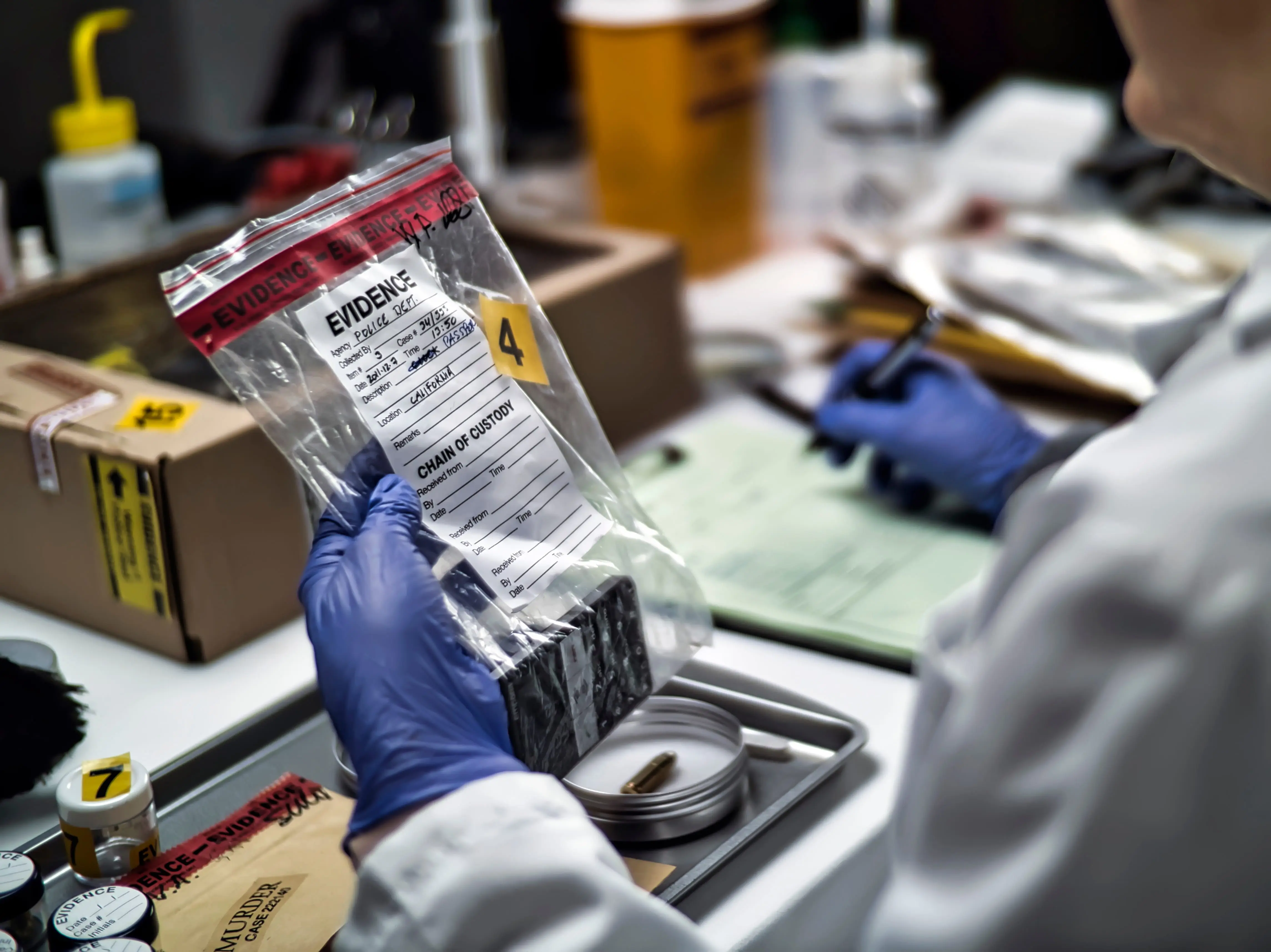
What Happens to a Phone After Police Seize It?
After a police officer seizes your phone, it may be sent for digital examination. It is important to note that this does not always happen at the police station itself. Instead, the device may be sent to a specialist team or facility for examination.
This can affect the timeline for receiving your device back. More on this shortly.
After phone confiscation, investigators can use data extraction tools to obtain information such as:
- Messages
- Photographs
- Videos
- Emails
- Web pages
- App activity
- Location records
- Raw data
- Metadata
While police may exercise their powers to seize the device in the hope that it supports their assertions, this is not always the case. Digital evidence can support either side of a case. Sometimes a message, phone record, or location record will challenge an allegation or provide important context.
This is why it is important to have a solicitor involved early. They can review the contents of the device as part of your defence rather than simply waiting for the police examination to finish.
What Is Digital Forensics and Data Extraction?
Digital forensics is the process of preserving and examining electronic information so it can be used as evidence.
Modern devices contain wide ranging information. Some of it is unstructured data, meaning it is not organised neatly into simple records. Investigators may use specialist software and search terms to find relevant material.
However, the power to search and access large amounts of data does not mean investigators should examine everything. Current CPS guidance on digital material explains that investigators should follow reasonable lines of inquiry and take a proportionate approach.
They should not assume everything on a device needs to be examined.
How Long Can Police Keep Your Phone?
Unfortunately, there is no single time limit for every device seizure. Police can generally keep seized property as long as it is needed for an investigation or criminal proceedings.
If you are under investigation, you may lose access to an important phone or computer for an extended period. Large amounts of data and forensic work can add to delays.
However, long delays should not go unchallenged.
Requesting Return of a Seized Device
When it comes to the return of property seized by the police, UK law provides several options. You can start by simply asking the police to return your device. That said, they do not have to do so while they still have a lawful reason to keep it.
A solicitor can contact the investigation team and ask why continued retention is necessary. If police have already extracted the information they need, there may be grounds to seek the return of the physical device.
In some cases, you can file an application for the return of property from the police. PACE Code B refers to applications concerning property held by police under the Police (Property) Act 1897.
Just remember that while getting the device back may solve the practical problem, police may still hold a copy of its data.
What To Do After a Device Is Seized
The steps you take after a device is seized can affect both the investigation and your defence.
For instance, do not remotely wipe, delete or change information after police take your device. You should also preserve related information stored elsewhere, including cloud records that could support your account.
Make a note of what the police took, when it was seized and what the police officer told you. If the seizure happened during a search, keep any documents you received about the search warrant or other power used.
If police later ask you for passwords or more information, get legal advice before responding. Also, be sure to tell your solicitor if losing the device is causing serious problems for your work, business or personal life.
How Holborn Adams Can Help After Device Seizure
Getting your device back is important, but you also need to understand how the information on it could affect your case. At Holborn Adams, we consider digital evidence as part of your wider pre-charge defence.
Our criminal defence team can look for messages, photographs, location information and other evidence that may support your account. We can also check whether police are following reasonable lines of inquiry and question why they still need to keep your device.
If useful evidence is found, we can bring it to the attention of investigators before they decide whether to charge you. Where needed, we can also work with independent digital forensics experts to ensure your data is interpreted correctly.
Ultimately, getting early legal advice gives your solicitor more time to protect your position and make sure important evidence is considered. If police have seized your phone, computer or another device during an investigation, you need Holborn Adams at your side.
Frequently Asked Questions
What is device seizure?
Device seizure occurs when police take possession of a mobile phone, computer, or other electronic device under legal authority. This may happen during an arrest, at a police station or during a lawful search because investigators believe the device could contain evidence relevant to a criminal investigation.
What is digital forensics?
Digital forensics is the process of preserving, extracting and examining electronic information for an investigation or court case. Specialists may use data extraction tools to examine messages, photographs, files, location information and other data while keeping a record of how the digital evidence was handled.
How do police extract data from phones in the UK?
Police can use specialist forensic tools to copy and examine phone data where they have a lawful basis to do so. The exact process depends on the device and investigation. Examination may include stored messages and files as well as other digital information relevant to reasonable lines of inquiry.
How can I apply for the return of property seized by police?
You can first ask the police to return the property. A solicitor can also contact investigators and ask why they still need it. Depending on the circumstances, an application for return of property from police may be possible under the Police (Property) Act 1897.
How long can police keep my phone for evidence?
There is no fixed period that applies to every mobile phone. Police may keep seized property while they still need it for an investigation or criminal proceedings. If your phone has been held for a long time, a solicitor can ask why continued retention remains necessary.
Does getting my phone back mean police no longer have my data?
No. Police may have copied or extracted data from your mobile phone before returning it. A forensic copy can contain information that remains relevant to the investigation. Returning the physical device, therefore, does not necessarily end the police examination of the information obtained from it.
Can police confiscate your phone?
Yes. Police can confiscate your phone in certain circumstances if they have lawful grounds to do so. For example, a police officer may believe it contains evidence linked to a criminal investigation. The exact power used will depend on the circumstances, including whether the phone was taken during an arrest or lawful search.
Should I remotely delete private information after police seize my phone?
No. Do not remotely delete, wipe or alter information after police seize your phone. Changing potential evidence could create further legal problems. Instead, tell your solicitor about any private or sensitive information on the device so they can advise you on the safest way to deal with it.

