
Charged With Public Order or Protest-Related Offences


Public order offences are among the most common crimes investigated in the UK. While everyone has the right to peaceful protest and freedom of expression, those rights are not unlimited.
In some situations, behaviour during a protest or public gathering can lead to a criminal investigation. If that happens to you, obtaining specialist legal advice as early as possible is essential.
The pre-charge stage often provides the best opportunity to protect your rights before any decision is made to bring criminal charges.
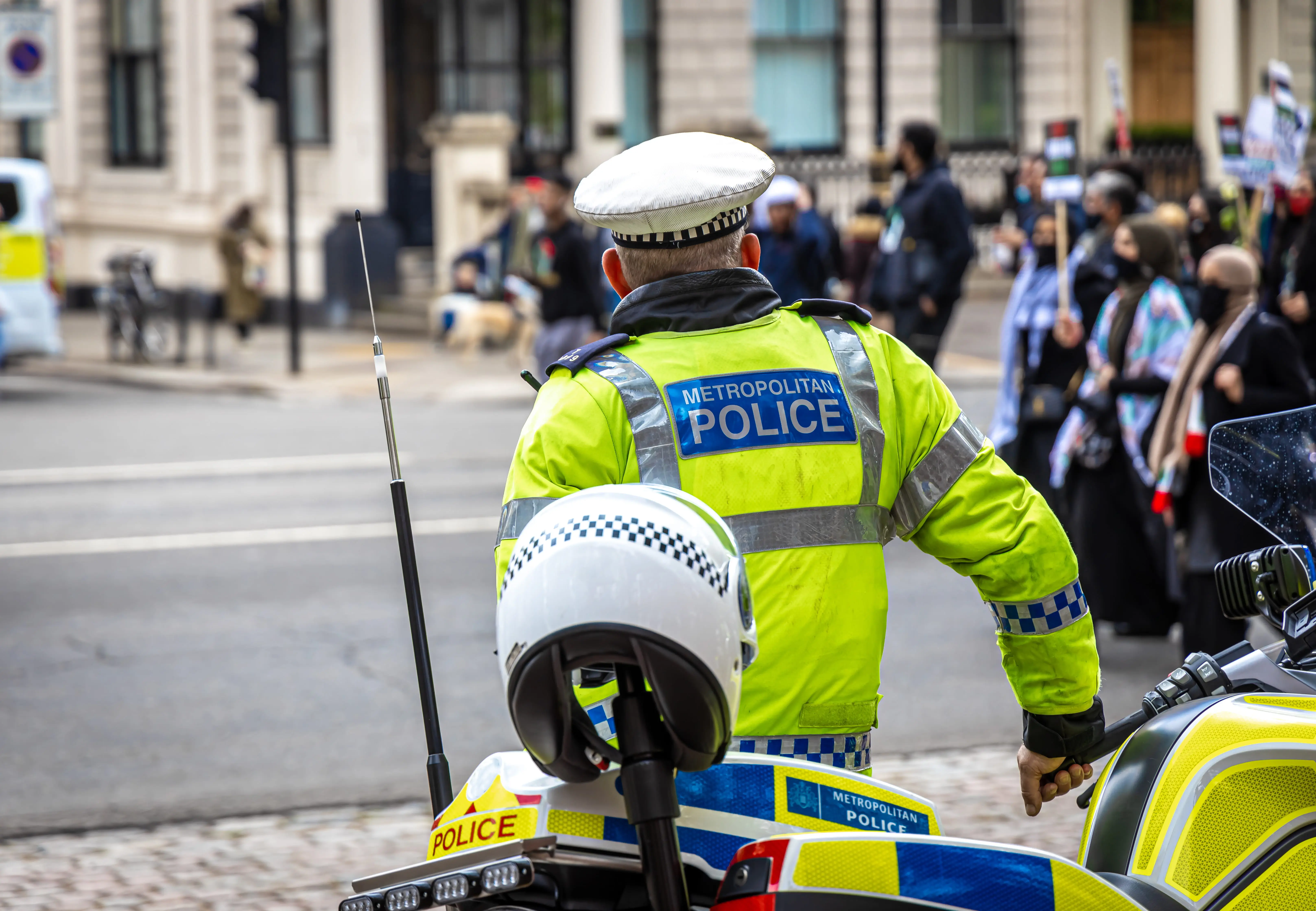
Understanding Public Order Laws in the UK
Public order laws are designed to protect the public while balancing the rights to freedom of expression and peaceful assembly.
Most public order offences are prosecuted under the Public Order Act 1986. However, the Public Order Act 2023 introduced further powers to deal with highly disruptive protests. These laws cover a wide range of behaviour, and allegations can arise from seemingly mundane activities, such as:
- Attending a demonstration
- Organising a protest
- Posting online
These laws also cover behaviour the police believe is threatening, abusive, or seriously disruptive.
It is important to remember that being arrested at a protest does not automatically mean you have committed a crime. Every case depends on the evidence and whether the prosecution can prove that the legal requirements of the alleged offence have been met.
Common Public Order and Protest-Related Offences
Public order investigations cover a wide range of alleged offences. Some of the most common include:
- Allegations tied to Section 4A of the Public Order Act 1986. These involve someone intentionally causing harassment, alarm, or distress through threatening, abusive, or insulting behaviour.
- Outraging public decency, where behaviour is alleged to have seriously offended public standards of decency.
- Breaches of a Public Spaces Protection Order. This is where someone is accused of failing to comply with restrictions imposed in a particular public area.
- Public nuisance, criminal damage, obstruction, or other offences connected to demonstrations.
It is common for police to investigate several offences at the same time. However, not every investigation is based on complete or accurate information.
UK protests, particularly London protests, can involve thousands of people and unfold quickly. In crowded and fast-moving situations, it is not uncommon for people to be wrongly identified, their actions to be misunderstood, or events to be taken out of context.
When Does Protesting Become Illegal in the UK?
A protest may become a criminal offence if it involves one or more of the following:
- Violence
- Threats
- Criminal damage
- Serious disruption
- Obstruction of roads or public infrastructure
- Breaches lawful conditions imposed by the police
That said, there is no single point at which a protest becomes unlawful. Officers may conclude that a protest has crossed the legal threshold, but their decision can later be challenged if the evidence does not support it.
How Public Order Investigations Are Conducted
Public order investigations often begin immediately after an incident, but can continue for weeks or months. Police rely on a wide range of evidence, including CCTV, body-worn video, witness statements, mobile phone data, social media posts, and livestreams.
However, it is rarely enough to prove that someone attended a protest. Investigators must establish what the person did, what role they played, and whether there is enough evidence to support a criminal charge.
It’s critical to note that video footage and social media posts do not always tell the full story, and can be misleading when viewed without context. This is why an experienced solicitor should always review the evidence before you speak to the police.
The Legal Issues That Shape These Cases
Public order cases often come down to the same series of questions.
- Can the prosecution prove who carried out the alleged behaviour?
- Can they show that the behaviour was threatening, abusive, or intended to cause harassment, alarm, or distress?
- Did the protest cross the legal threshold for a criminal offence?
- Were the police acting within their legal powers?
- Does the available evidence show the full picture, or only part of what happened?
The answers to these questions often decide whether charges are brought or a case goes to court. The problem is that accused individuals sometimes assume the evidence will bear out on its own. In truth, they need a good solicitor to actively guide the process.
How Holborn Adams Defends Protest-Related Investigations
At Holborn Adams, we specialise in proactive pre-charge representation for clients facing a range of accusations. That includes protest-related investigations and public order offences.
Rather than wait for the prosecution to build its case, we engage with investigators at the earliest opportunity. We review the evidence, identify weaknesses, and present information that supports your position before any charging decision is made.
In fast-moving situations like protests, people can be wrongly identified, evidence can be incomplete, and events can be taken out of context. Our role is to ensure investigators consider the full picture before deciding whether charges should be brought.
If you are under investigation for a public order offence or an allegation linked to a protest, call Holborn Adams. We know how to protect your rights and put you in the strongest possible position before any charging decision is made.
Frequently Asked Questions
What is a public order offence under UK law?
A public order offence involves behaviour that threatens public safety, causes harassment, alarm or distress, or disrupts public order. In England and Wales, most offences are prosecuted under the Public Order Act 1986.
What does Section 4A of the Public Order Act 1986 cover?
Section 4A of the Public Order Act 1986 makes it an offence to intentionally cause harassment, alarm, or distress through threatening, abusive, or insulting words or behaviour. The prosecution must prove both the conduct and the required intent.
When does protesting become illegal in the UK?
A protest may become unlawful if it involves violence, criminal damage, serious disruption, obstruction of public infrastructure, or breaches lawful conditions imposed by the police officers. Police powers allow the Metropolitan Police to protect members of the public from violent disorder.
What is the definition of maliciousness?
There is no single legal definition of maliciousness that applies to every public order offence. Whether malicious intent is relevant depends on the specific offence being investigated and the evidence available.
What is a Public Spaces Protection Order?
A Public Spaces Protection Order (PSPO) is a legal order made by a local authority to restrict certain activities in a public area. Breaching a PSPO can result in enforcement action or, in some cases, criminal proceedings.
How do the police investigate public order and protest-related offences?
Police investigate these cases using CCTV, body-worn video, witness statements, mobile phone data, social media content, and other digital evidence. They examine each person's actions and level of involvement before deciding whether there is enough evidence to support criminal charges.
Does being arrested at a protest mean I will be charged?
No. An arrest does not automatically lead to criminal charges. Police and prosecutors must review the available evidence before deciding whether there is a realistic prospect of conviction and whether a prosecution is in the public interest.
Does posting about a protest on social media expose me to criminal liability?
Not usually. Simply posting about a protest is not a criminal offence. However, social media posts, messages, photographs, or videos may become evidence depending on the allegations being investigated.
Should I answer police questions without first speaking to a solicitor?
It is generally advisable to obtain legal advice before answering police questions. A solicitor can explain the allegations, protect your rights during interview, and help you avoid unintentionally damaging your case.
Should I seek legal advice if I am under investigation for a protest-related offence?
Yes. Early legal advice allows your solicitor to engage with investigators during the pre-charge stage, review the evidence, and build a defence before charging decisions are made. Acting quickly gives you the best opportunity to protect your rights and influence the outcome of the investigation.

