
Charged With Firearms or Offensive Weapons

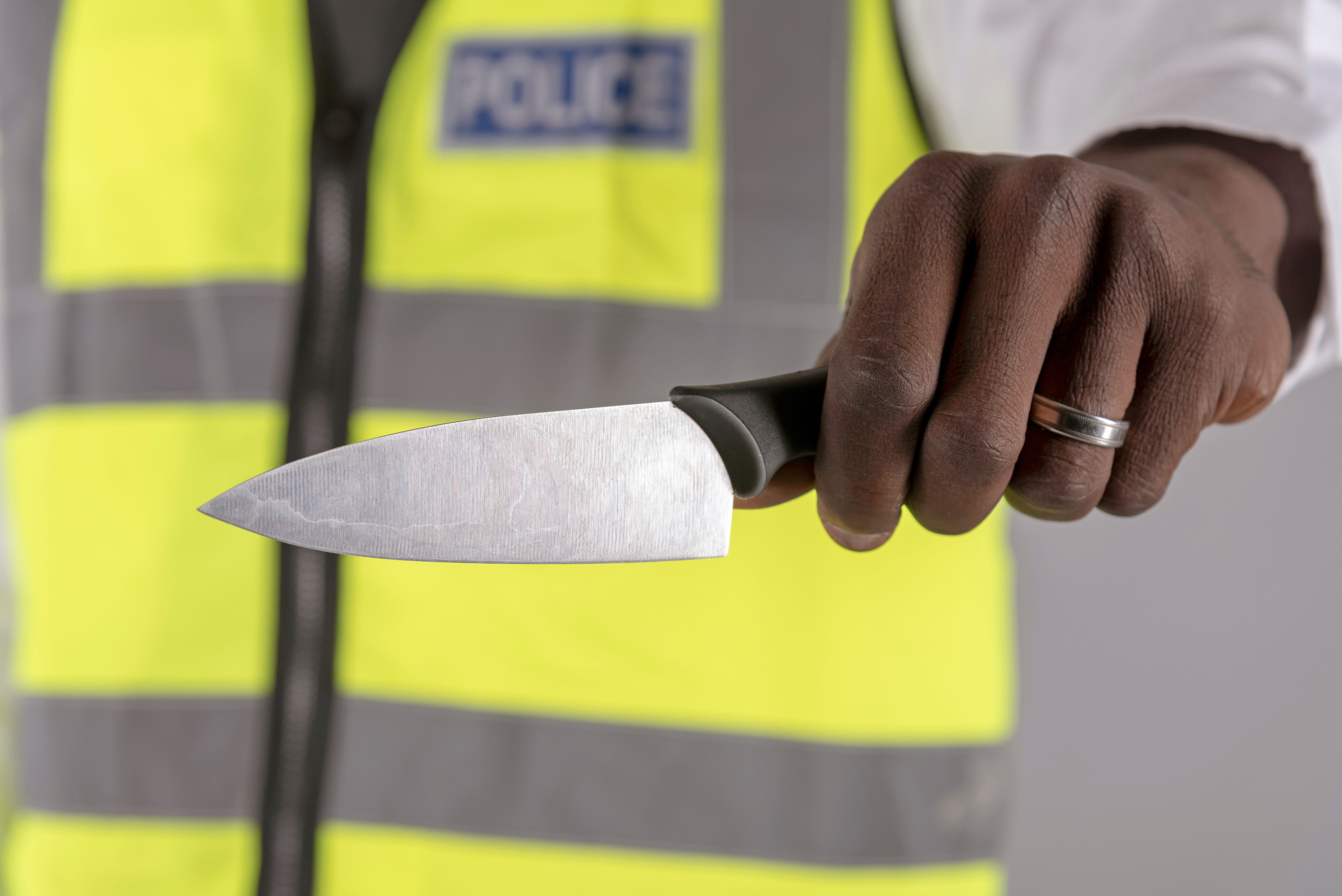
Firearms and offensive weapons offences are treated very seriously in England and Wales. Allegations involving guns, knives, or other prohibited weapons can lead to severe penalties, including lengthy prison sentences, even if a weapon was never used.
The UK has a reputation for very low rates of gun-related crime. However, knife crime remains a problem, especially when a prohibited item like a belt buckle knife, flick knife, or butterfly knife is involved.
If you are under investigation for a weapons offence, obtaining legal advice as early as possible can help protect your rights before charging decisions are made.
Understanding UK Firearms and Offensive Weapons Laws
Most firearms in the UK are regulated by the Firearms Act 1968. However, the Offensive Weapons Act 2019 introduced additional restrictions on certain knives and prohibited weapons.
Some firearms can be legally owned, but only in certain situations. Anyone wishing to possess a firearm that requires authorisation must obtain the appropriate firearms certificate (or shotgun certificate) before acquiring or keeping it.
Applicants must satisfy strict suitability checks, demonstrate a good reason for possessing the firearm, and meet secure storage requirements.
Holding a certificate does not give permission to possess every type of firearm. Some weapons are prohibited except in very limited circumstances. Failing to comply with licensing conditions or possessing a firearm without the appropriate authorisation can lead to a criminal investigation.
Common Firearms and Offensive Weapons Offences
Weapons investigations can arise in many different circumstances. Common allegations include:
- Possessing a firearm without the correct certificate
- Carrying a knife or offensive weapon in public
- Possessing a prohibited firearm
- Manufacturing or importing banned weapons
- Possessing prohibited items such as knuckle dusters
It’s important to note that a weapon does not have to be used for an offence to be committed. In many cases, simply possessing a prohibited item or carrying a knife without a lawful reason may be enough.
How Firearms and Weapons Investigations Work
Specialist police officers often carry out investigations into firearms and offensive weapons. Depending on the circumstances, investigators may execute search warrants, seize weapons for forensic examination, and review one or more of the following:
- CCTV footage
- Mobile phone data
- Online purchases
- Witness statements
- Digital communications
Police will typically try to establish who possessed the weapon, whether they knew it was there, whether the necessary licence was held, and whether there was any lawful authority or reasonable excuse.
In the case of serious crimes like assault or murder, there may be forensic evidence like fingerprints and DNA.
However, this evidence is not always straightforward. Forensic results can be challenged, digital records may require expert interpretation, and witness accounts may conflict.
Obtaining legal advice before answering police questions can help ensure the evidence is properly examined before any charging decision is made.
What to Do if You Are Investigated for a Firearms or Weapons Offence
Remember that simply being investigated does not automatically mean you will be charged. However, the decisions you make during the early stages of an investigation can affect the outcome.
If you become aware of an investigation, you should contact a specialist solicitor as soon as possible. You should also take the following steps:
- Do not answer police questions without legal advice.
- Preserve any relevant messages, receipts, licences, or other evidence.
- Do not dispose of any item investigators may wish to examine.
- Follow the conditions of any firearms certificate you hold.
Keep in mind that anything you say during a police interview can become evidence. Obtaining legal advice beforehand can help you understand the allegations, prepare for questioning, and ensure your rights are protected.
Why Early Legal Representation Matters
Many people wait until the CPS issues charges to contact a solicitor. However, the pre-charge stage is often the best opportunity to influence an investigation.
An experienced solicitor can interact with investigators, review forensic and digital evidence, and advise you during a police interview. They can also address any issues involving possession, licensing, or intent.
Acting early may help correct misunderstandings, challenge unreliable evidence, or prevent criminal proceedings where the evidence does not support a charge.
Why Choose Holborn Adams?
Firearms and offensive weapons investigations often involve complex evidence and serious legal consequences. It’s important that you don’t leave your future or your freedom up to chance.
Holborn Adams not only helped to pioneer the concept of pre-charge engagement but has also kept hundreds of clients from ever seeing their cases reach court.
Whether the allegation involves a firearm, a knife, or another offensive weapon, you'll receive clear advice, a carefully planned legal strategy, and experienced representation from the moment the investigation begins.
Frequently Asked Questions
Are firearms legal to own in the UK?
Yes. If you have a firearms permit, some guns can be legally owned in the UK. Still, strict licensing rules apply. Anyone wishing to possess a qualifying firearm must obtain the appropriate certificate and meet legal requirements. Many weapons are not subject to a gun permit, license, or other allowance.
What counts as an offensive weapon under UK law?
An offensive weapon is generally an item made, adapted, or intended to cause injury. This can include certain knives, knuckle dusters, batons, and other prohibited weapons. Both the law and the circumstances of the case determine whether authorities classify an item as an offensive weapon.
Can I be charged if the weapon belongs to someone else?
Yes. Ownership and legal possession are not always the same. Depending on the circumstances, police may investigate whether you knew about the weapon and had control over it, even if it belonged to another person. Even a licensed firearm can lead to charges in these cases.
How do the police investigate firearms and offensive weapons offences?
Police investigations often involve search warrants, forensic examinations, CCTV, digital evidence, witness statements, and intelligence gathering. Investigators will try to establish who possessed the weapon, whether any offences were committed, and whether there was lawful authority or a reasonable excuse.
Does possessing a knife automatically mean I have committed an offence?
No. United Kingdom knife laws do not state that simply carrying a knife amounts to a criminal offence. The legality depends on factors such as the type of knife, where it was carried, and whether there was a lawful reason for having it.
Are antique firearms exempt from UK firearms laws?
Not always. Some antique firearms fall outside certain licensing requirements, but they are not automatically exempt from criminal law. Whether an antique firearm can be lawfully possessed depends on its type, condition, and intended use.
Should I answer police questions before speaking to a solicitor?
It is generally best to obtain legal advice before answering police questions. A solicitor can explain the allegations, protect your rights during an interview, and help you avoid saying something that could harm your case.
How do you get a firearms licence in the UK?
Those looking to understand how to get a firearms licence in the UK must apply to their local police force for a firearm or shotgun certificate. Applicants must meet strict eligibility requirements, demonstrate a good reason for possessing the firearm, and satisfy the police that they can store it securely and use it responsibly.
Can I carry a knife for self-defence in the UK?
No. Knife laws in the UK state that carrying a knife or other weapon for self-defence is not generally considered a lawful reason under UK law.
Whether an offence has been committed depends on the type of item, where it was carried, and the circumstances of the case. Butterfly knives and flick knives, for instance, are prohibited outright by UK knife legislation.

