
Bad Character Evidence When Past Allegations Can (and Can’t) Be Used

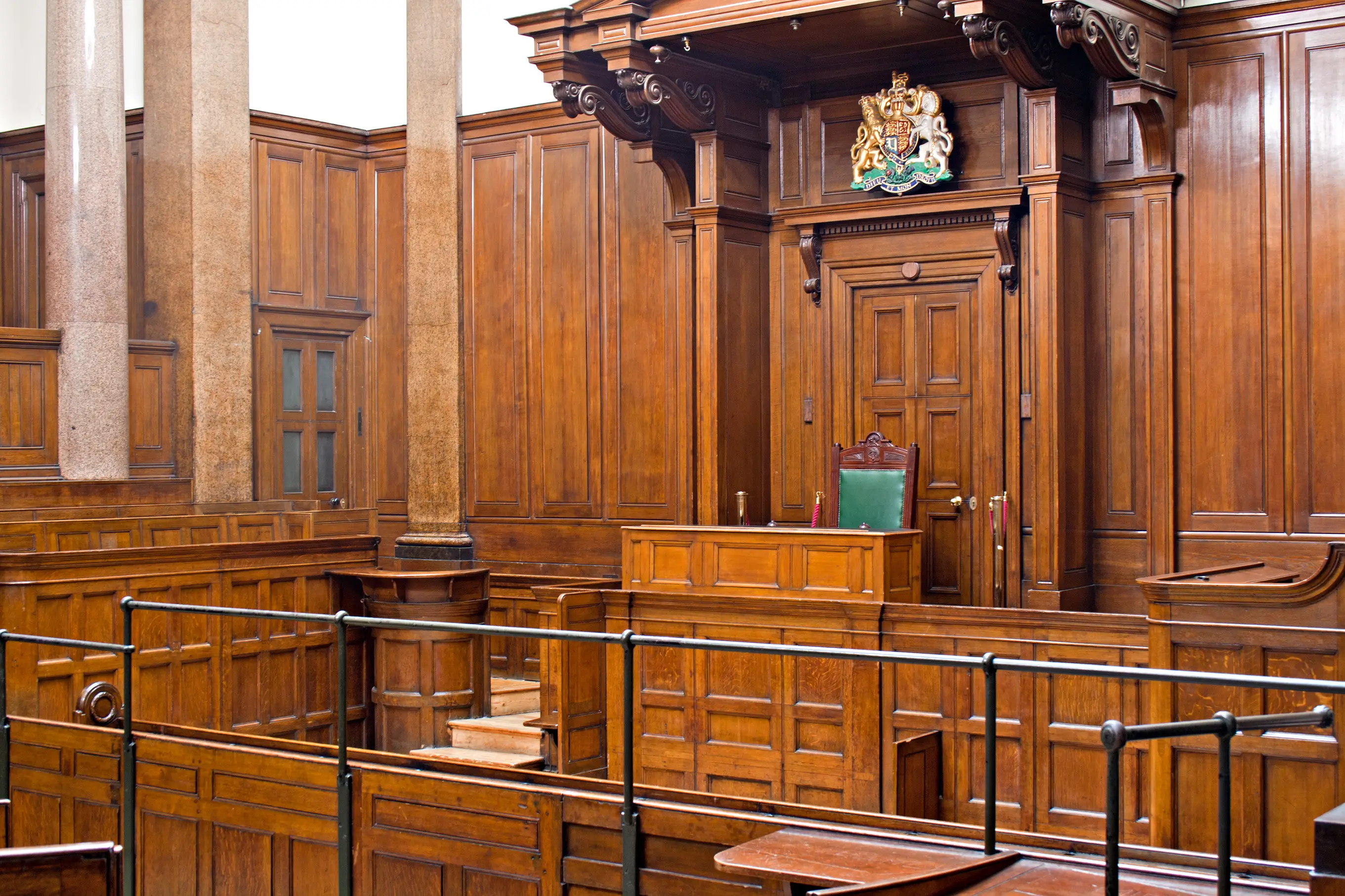
Past allegations do not automatically make someone guilty. However, prosecutors may still attempt to use them to shape how a jury sees a defendant. That’s why it is essential to understand when bad character evidence is admissible, the dangers of unfair prejudice, and how early legal intervention can help prevent old accusations from influencing a case.
Introduction
Few areas of criminal law create more confusion than bad character evidence. Many people assume that if they faced allegations in the past, the prosecution will automatically use those allegations against them in court.
In reality, the law is far more complex. Under the United Kingdom's Criminal Justice Act of 2003, prosecutors can only introduce evidence about a defendant’s past behaviour when the court decides that doing so would be fair. The issue is that fairness is not a set standard and tends to change depending on the context of the case.
This issue becomes especially sensitive in high-profile or emotionally charged investigations. Previous accusations, rumours, or claims of misconduct can shape police investigations, media coverage, and public opinion long before a jury hears the facts.
Questions involving hearsay evidence, false allegations, malicious allegations, and unfair prejudice often become central to disputes over admissibility. This is why a passive defence strategy is simply not an option. Instead, you need a defence solicitor who can challenge weak or unfair bad character applications during both the pre-charge and trial stages.
%20Be%20Used.webp)
What Is Bad Character Evidence Under UK Law?
Put simply, bad character evidence refers to information about a person’s previous misconduct or alleged wrongdoing. This can include earlier convictions, accusations, claims of dishonesty, violent behaviour, or other conduct prosecutors believe may be relevant to the case.
Importantly, there is a major difference between proven criminal conduct and mere allegations. That is, a previous conviction should not be treated the same as a rumour, an acquittal, or an unproven complaint. This helps prevent the word “alleged” from doing too much heavy lifting throughout the course of justice.
Modern courts understand that allowing unsupported accusations into evidence could seriously damage the fairness of proceedings. For this reason, prosecutors must satisfy a series of legal “gateways” before bad character material becomes admissible.
In other words, they cannot simply introduce previous misconduct because they believe it makes a defendant look suspicious. Instead, they must show the evidence fits within one of several legally recognised categories.
Some of the most common situations for introducing bad character evidence include:
- The prosecution and defence both consent to the evidence being introduced.
- The defence introduces it as part of the defendant’s past conduct strategically.
- The court believes the jury would struggle to properly understand the case without it.
- It relates to an important matter in issue between the parties
- It has substantial value regarding an important issue between co-defendants
- It corrects a false impression given by the defendant
- The defendant attacks another person’s character
Even when these conditions are met, judges must consider whether the evidence genuinely helps the jury understand the case or whether it simply encourages assumptions about the defendant’s personality or past.
In short, just because a person behaved a certain way in the past does not mean they are guilty of an accusation in the present. The UK legal system is designed to reflect that.
Prosecution Strategies for Previous Allegations and Misconduct
Prosecutors often argue that previous conduct demonstrates a “propensity” to commit similar offences. Alternatively, they may claim that certain evidence can help explain the context of allegations or bear some significance to the defendant’s credibility. This is especially common in serious criminal investigations involving repeated allegations or claims of similar behaviour.
That doesn’t erase the courts’ responsibility to approach these applications with caution. For instance, a conviction should carry far more evidential weight than a withdrawn complaint or unproven allegation. Despite this, prosecutors sometimes attempt to roll all of this into one “pattern of behaviour” to help strengthen their narrative.
The problem is that it is up to the courts to decide whether proposed evidence meaningfully assists the jury or whether it risks creating unfair prejudice. This makes strong legal representation particularly important, as defence solicitors can challenge evidence that risks unfairly influencing a jury.
False Allegations, Malicious Allegations, and Unfair Prejudice
Cases involving false allegations or malicious allegations can become particularly damaging because reputational harm often occurs long before the case reaches trial. Even where allegations remain disputed, that fact will not stop investigators, employers, and members of the public from drawing their own conclusions.
This is where the concept of unfair prejudice becomes critically important. The fact is that jurors are human. As such, there is always a risk they may unconsciously assume that previous accusations suggest current guilt, just as other members of the public might.
Courts recognise the danger of such a “where there is smoke, there is fire” mindset, which is why defence solicitors have the opportunity to challenge allegations that lack proper evidential support or that appear designed to create prejudice rather than establish facts.
It’s our job to make sure the court doesn’t punish someone for their character alone while ensuring the prosecution still has to prove a specific allegation beyond reasonable doubt.
Hearsay Evidence and Disputed Allegations
Hearsay evidence adds a whole other layer of complexity to bad character disputes. It refers to statements made outside court that are introduced as evidence during proceedings. Hearsay is problematic because, unlike direct evidence, it often cannot be tested through cross-examination.
Hearsay material commonly appears alongside bad character evidence, especially in cases involving historical complaints, anonymous allegations, unavailable witnesses, or third-party accounts.
These situations raise serious fairness concerns because the defence may have limited opportunities to challenge the information's reliability. The admissibility of hearsay evidence relies heavily on the judge in the case. It is their responsibility to examine factors such as context, consistency, and the reasons the original witness cannot provide direct evidence.
Strategic Use of Bad Character Evidence
The Crown Prosecution Service is well aware that previous allegations may influence charging decisions, bail conditions, media reporting, and even jury expectations before the trial begins.
Prosecutors may sometimes seek to use bad-character information strategically, focusing on earlier accusations rather than objectively testing the current evidence. This can create enormous reputational damage, even where no conviction exists.
The Police and Criminal Evidence Act 1984 (PACE) also plays an important role in these disputes. Under Section 78, courts have the power to exclude evidence where admitting it would unfairly prejudice the proceedings. Defence solicitors frequently rely on these protections when challenging weak, misleading, or disproportionately prejudicial bad character applications.
This is a big reason why pre-charge legal representation is often essential. When defence teams have the opportunity to intervene early, they can correct misleading narratives before they become embedded within the investigation.
Challenging Bad Character Applications
At Holborn Adams, we know that defence solicitors play a critical role in challenging unfair or weak bad character evidence. We have the knowledge, experience, and strategic insight to argue against material that lacks relevance, creates excessive prejudice, or relies too heavily on unreliable hearsay evidence.
But we go further than that. We carefully scrutinise previous investigation outcomes, disclosure failures, and inconsistencies between allegations. Using detailed legal submissions, we can influence how evidence is presented to a jury and, in many cases, completely alter the overall direction of the proceedings.
Our defence lawyers regularly manage sensitive, reputationally damaging cases involving disputed allegations and bad-character disputes. In fact, we’ve defended hundreds of high-profile individuals using the same strategies outlined above.
Bad character evidence remains one of the most controversial aspects of UK criminal law because it sits at the intersection of relevance, fairness, and reputation. If you’ve been accused of a crime, you need a defence team that understands how to challenge unfairness at every stage of the process. That’s Holborn Adams.
Frequently Asked Questions
What is bad character evidence in a criminal case?
Bad character evidence refers to information about a person’s past misconduct or alleged wrongdoing. This may include previous convictions, accusations, or behaviour prosecutors believe is relevant to the current case. Under the Criminal Justice Act of 2003, courts only allow this evidence in limited circumstances.
What is hearsay evidence under UK law?
Hearsay evidence is information given in court about something another person said outside court. Because the original speaker may not be called to testify directly, courts treat hearsay with caution, admitting it only when certain legal conditions are met.
How do courts decide whether bad character evidence is admissible?
Courts examine whether the evidence is genuinely relevant to the case and whether it creates unfair prejudice. Judges must balance the value of the evidence against the risk that jurors may make assumptions based on past allegations instead of focusing on the current evidence.
How can defence solicitors challenge unfair bad character applications?
Defence solicitors challenge bad character applications by questioning relevance, reliability, and fairness. They may highlight inconsistencies, disclosure failures, weak evidence, or procedural issues. Early legal intervention often helps prevent unfair allegations from shaping the entire investigation.
Is bad character evidence always admissible in court?
No. Bad character evidence is not automatically admissible simply because allegations exist. Courts apply strict legal tests before allowing it. Judges must ensure the evidence is fair, relevant, and not overly prejudicial to the defendant.
Can someone be arrested based only on allegations?
Yes. Police can arrest someone if they reasonably suspect involvement in an offence, even before charges are brought. However, allegations alone do not prove guilt, and prosecutors still need sufficient evidence before a case proceeds to court.
Should I respond to previous allegations without legal advice?
No. You should seek legal advice before responding to allegations or police questions. Statements made early in an investigation can affect how prosecutors view the case. Specialist defence solicitors can help protect your position from the outset.
Should I seek representation immediately if prosecutors mention bad character evidence?
Yes. Early legal representation is extremely important when prosecutors raise issues regarding bad character evidence. Defence solicitors can challenge unfair applications, review disclosure material, and prevent damaging assumptions from influencing the investigation before charges are brought.

