
After Conviction: Grounds, Fresh Evidence and Process

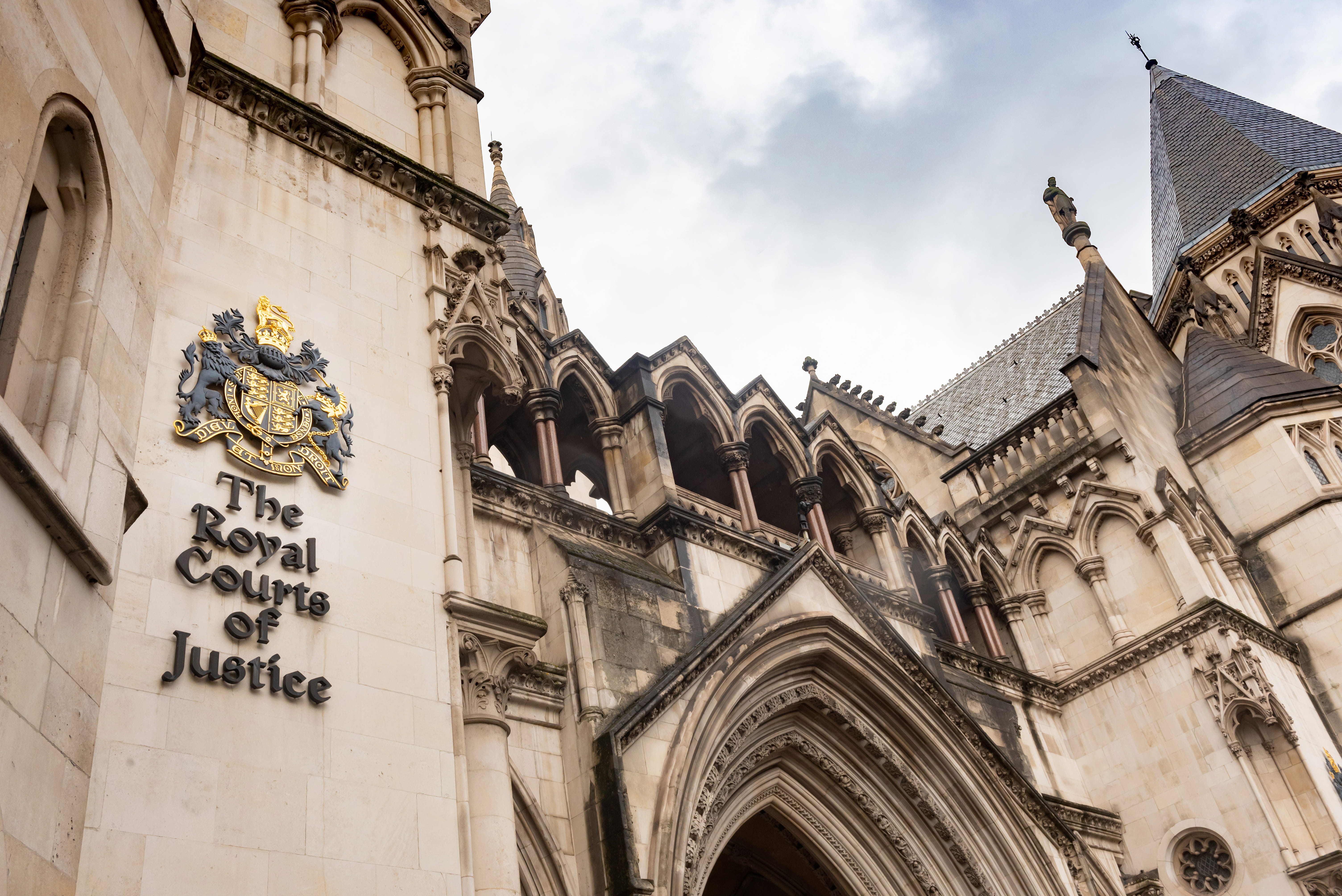
The word conviction feels final, but that is not always true. If you believe you have been wrongly convicted, you may still have legal options. A criminal appeals solicitor can review your case, identify possible grounds for appeal, and assess any fresh evidence.
This article will detail various grounds for appeal against conviction in the UK, what to expect, and how the right solicitor can help.

Can a Criminal Conviction Be Appealed?
Yes, some criminal convictions can be appealed. However, the process will vary depending on which court convicted you.
Crown Court Appeals Criteria
For a Crown Court conviction, the main question is whether the conviction is “unsafe.” In simple terms, a safe conviction is one that the Court of Appeal is satisfied can properly stand. An unsafe conviction is one that should not stand because of a serious problem with the case.
Problems can include legal mistakes, issues with the trial, or the appearance of new evidence that alters the understanding of the case.
Magistrates' Court Appeals Criteria
Magistrates’ Court appeals work differently. If you pleaded "not guilty" and were convicted, you can typically appeal the conviction to the Crown Court. The appeal will be heard as if it were a new case, so the Crown Court does not apply the same “unsafe conviction” test.
Understanding which court dealt with your case is the first step in knowing how your appeal will work and what you need to present.
What Are the Grounds for Appeal Against a Conviction?
There is no single set of grounds that will work in every case. A solicitor must look at what happened and identify a valid reason why the conviction may be unsafe.
This could involve a significant legal or procedural error. Or there may have been problems with the evidence or the directions given to the jury. In other cases, new evidence may have emerged.
Problems with the defendant's previous legal representation can sometimes matter as well. That said, poor representation alone does not make a conviction unsafe. The question is whether what happened had a big enough effect on the case.
Not every case has valid grounds for appeal. Your solicitor will review the evidence, trial papers, rulings, and transcripts before advising you on whether to proceed.
How Can Fresh Evidence Affect an Appeal?
Fresh evidence is evidence that was not presented to the original court. It could include a new witness, digital material or new forensic evidence. Generally, it must be relevant to the appeal and capable of making a real difference to the safety of the conviction.
Still, new evidence does not automatically lead to a successful appeal. The Court of Appeal must consider whether the evidence appears credible, whether it could support the appeal, and why it was not used at the original trial.
Again, a criminal appeals solicitor can review fresh evidence before entering the process. They can assess whether it could make a real difference to the safety of the conviction.
Time Limits: Magistrates’ Court vs Crown Court Appeals
A person convicted or sentenced in the Magistrates’ Court can, in certain cases, appeal to the Crown Court. However, this will normally need to happen within 15 working days of sentencing.
Crown Court conviction appeals are different. An application can be made to the Court of Appeal Criminal Division, and permission to appeal is normally required. You typically have 28 days from the date of conviction to apply. This is why it is so important to seek legal advice quickly.
It is again worth noting that the Court of Appeal does not simply repeat the trial. It looks closely at what went wrong and whether those problems are serious enough to make the conviction unsafe.
Can You Appeal After Pleading Guilty or After Sentencing?
It may be possible to appeal even if you pleaded guilty. However, you will still need proper legal grounds for challenging the conviction.
You can also seek to appeal after sentencing. Depending on the case, you may challenge the conviction, the sentence or both.
What Happens During the Criminal Appeal Process?
The process usually starts with a detailed review of the original case. Your legal team will examine trial evidence, transcripts, and court decisions. If relevant, they may also investigate fresh evidence or seek expert advice.
If they find there are proper grounds, the legal team can prepare the appeal and apply for permission where needed.
If permission is granted, a conviction appeal will usually be heard by a panel of three judges in the Court of Appeal. There is no jury. A single judge can deal with certain earlier stages, including an application for permission to appeal.
Once a hearing is scheduled, your legal team will present the grounds for appeal and explain why the conviction is unsafe. The prosecution will also have the chance to respond.
If a conviction appeal succeeds, the conviction may be quashed. In some cases, the panel may order a retrial.
Challenging a Conviction with Holborn Adams
Appeal work is different from running the original defence, which is why choosing specialist appeal solicitors can make a real difference.
At Holborn Adams, we can examine the original proceedings, trial evidence, and any new developments with fresh eyes. Our team looks closely for mistakes, missed evidence, and other issues that could provide grounds for appeal.
We understand what is at stake when you believe you have been wrongly convicted. That’s why our approach combines detailed case review with a clear appeal strategy, giving you the best chance of identifying a way forward.
If you believe your conviction may be unsafe, contact Holborn Adams as soon as possible. The earlier we review your case, the sooner we can identify your options and start building the strongest possible appeal.
Frequently Asked Questions
What are the grounds of appeal in a criminal case?
Grounds of appeal are legal reasons for challenging a conviction or sentence. They may include serious legal errors, problems with the trial, or important new evidence. For a Crown Court conviction appeal, the main question is whether the conviction is unsafe.
What is fresh evidence for the purposes of a criminal appeal?
Fresh evidence is relevant evidence that was not presented at the original trial. It could include a new witness, digital material, or forensic proof. The court may consider whether it is credible, how important it is and why it was not used before.
How do you appeal a criminal conviction in England and Wales?
Magistrates’ Court cases can generally be appealed to the Crown Court. Crown Court convictions can be appealed to the Court of Appeal Criminal Division with permission.
How do Court of Appeal judges decide whether a conviction is unsafe?
Judges look at the grounds of appeal, relevant evidence, and what happened during the original case. They consider whether mistakes, unfairness, or fresh evidence make the conviction unsafe.
Can you appeal a conviction after pleading guilty?
Yes, it can sometimes be possible to appeal after pleading guilty. However, you still need valid legal grounds. These cases can raise difficult legal issues, so a criminal appeals solicitor should review what happened before advising whether an appeal may be possible.
Can you still appeal after you have been sentenced?
Yes. You may be able to appeal your conviction, sentence, or both. Crown Court applications normally have a 28-day time limit. Different rules apply to Magistrates’ Court cases.
What constitutes a miscarriage of justice?
A miscarriage of justice happens when a serious failure in the legal process leads to an unjust outcome, such as a wrongful conviction. It may involve major legal errors, unreliable evidence or important new evidence. Court of Appeal judgments can help show how courts decide whether such problems make a conviction unsafe.
Is the time limit for appealing a Magistrates’ Court decision 21 days?
The current time limit is normally 15 working days from sentencing when appealing a Magistrates’ Court decision to the Crown Court. You may see older references to a 21-day appeal period, but this often refers to calendar weeks, not working days.
Should I appeal if new evidence has emerged since my trial?
New evidence may support an appeal, but it does not guarantee one. A solicitor should consider whether the evidence is reliable, why it was not used at trial, and whether it could make a real difference to the safety of your conviction.
Should I use a different solicitor to review a potential appeal?
A different solicitor can provide a fresh review of your case. This may be especially helpful if the possible appeal involves decisions made during the original proceedings. The key is choosing a solicitor with the right experience to identify realistic grounds for appeal.

