
How Pre-Charge Solicitors Work With Barristers

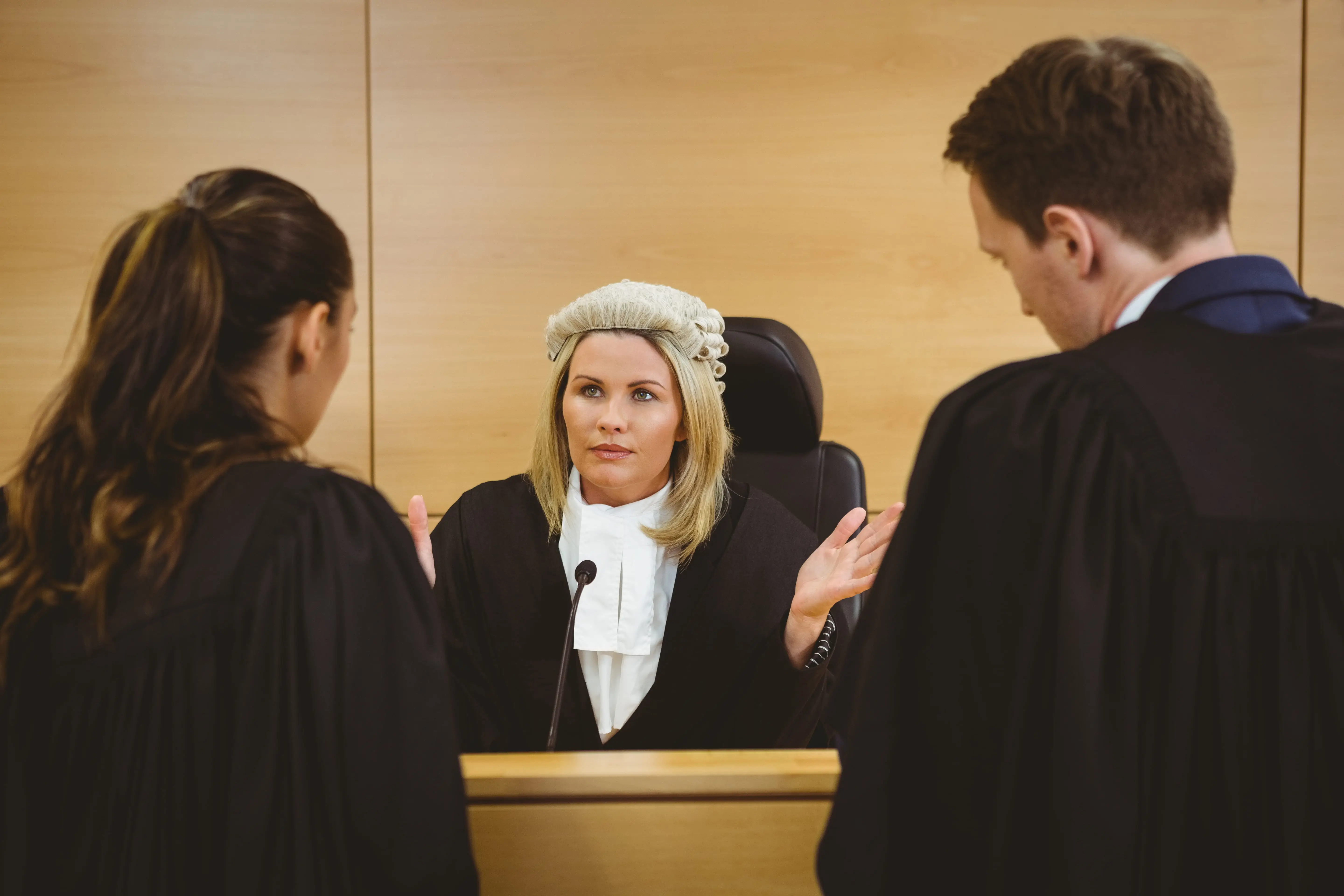
When most people picture a barrister, they imagine a courtroom scene from a TV drama: a figure in a wig and gown, standing up to deliver a thundering speech to a jury.
Because of this image, most people assume that barristers only get involved once the damage is done, meaning once you have been charged and are heading to trial. They see the solicitor as the "pre-game" preparation and the barrister as the "match day" player.
In the standard legal world, especially within the limitations of legal aid, that is exactly how it works. The solicitor handles the police station, and the barrister is only briefed weeks or months later, often just days before the trial.
At Holborn Adams, we believe this traditional model is broken. If you wait until court to bring in your heavy firepower, you have already missed your best chance to win.
Our strategy is different. We bring leading barristers into the fold immediately, often before the police have even finished their investigation. This collaboration is the secret weapon in stopping cases early. Here is how the pre-charge solicitor barrister role in the UK can change the trajectory of your life.

Understanding the Pre-Charge solicitor barrister role in the UK
To understand why this partnership matters, you first need to understand the difference between the two roles.
Think of a solicitor like a specialist GP or even a project manager. We are the first point of contact. We manage the case, gather the evidence, deal with the police, and handle the day-to-day strategy. We are the investigators and the architects of your defence.
A barrister (often called "Counsel") is like a specialist surgeon. They are pure legal advocates. They spend their lives in court, arguing points of law and persuading judges and juries. They have a hyper-specialised knowledge of how evidence plays out in a trial setting.
In our unique pre-charge model, we don't keep these roles separate. We bring the "surgeon" into the consulting room right at the start.
By having a barrister review your case while it is still at the police station stage, we get a fresh, high-level perspective on the evidence. They can spot legal technicalities and evidential weaknesses that might not be obvious until a trial, but by spotting them now, we can use them to stop the charge from ever happening.
The Strategy Session: Stress-Testing the Evidence
One of the first things we do in complex cases is hold a case conference. This isn't just a chat; it’s a war room.
We sit down - you, your solicitor, and a specialist barrister chosen specifically for your type of case.
In this session, the barrister acts as a "Devil’s Advocate." They look at the evidence the police have, alongside the evidence we have gathered, and they test it. They ask: “If I were the prosecutor, how would I attack this? If I were the judge, would I allow this evidence in?”
This "stress test" is invaluable. It reveals the weak points in your story or the gaps in our evidence while we still have time to fix them. If a barrister tells us that a certain witness statement won't hold up in court, we know - months in advance - that we need to find better evidence. We don’t wait to find out the hard way in front of a jury.
Voluntary Interviews: The Barrister’s Input
We have spoken before about the dangers of the voluntary interview - that "friendly chat" under caution.
When we prepare you for this interview, the barrister’s input is often crucial. Because they spend every day cross-examining people, they know exactly how police interviewers try to trip you up. They know the psychological tricks used to get a confession.
We often work with Counsel to draft your "Prepared Statement." This is a written document handed to the police during the interview. It puts your defence on record without you having to answer risky questions.
Having a barrister draft this statement adds an extra layer of bulletproof legal precision. They ensure that every word is calculated to protect you later in court, while simultaneously planting the seeds of doubt in the police’s mind right now.
Proactive Evidence Gathering: Directed by Counsel
Solicitors are excellent at gathering evidence, getting CCTV, phone records, and medical reports. But a barrister can tell us exactly which evidence will be the "knockout blow" in a legal argument.
For example, in a complex fraud or sexual offence case, a barrister might say: “To get this case dropped, we don’t just need to prove X; we need to legally disprove Y to satisfy the Code for Crown Prosecutors.”
This directs our investigation. It stops us from wasting time on irrelevant details and focuses our resources on finding the silver bullet that will persuade the CPS to drop the case.
The "Kill Shot": Representations to the CPS
This is perhaps the most powerful part of the process.
Once the police have finished their investigation they send a file to the Crown Prosecution Service (CPS). A CPS lawyer reads it and decides whether to charge you.
Usually, the CPS only hears the police’s side of the story. But we intervene. We submit a document called "Written Representations."
When we work with a barrister, this document becomes a formidable piece of legal weaponry. It is often co-authored by the solicitor and the barrister. It doesn't just say "our client is innocent." It uses complex legal arguments citing case law, precedents, and the strict evidentiary tests the CPS must follow to dismantle the police's case piece by piece.
When a CPS prosecutor receives a submission drafted by a top criminal barrister and a specialist firm like Holborn Adams they sit up and take notice. It signals that if they proceed to court, they are going to face a relentless, high-quality defence. Often, they look at the flaws we have exposed and decide that charging you is simply too risky. They mark the case "No Further Action" (NFA).
Managing Risk and Reputation
For our clients, the stakes are usually high. A charge, even if later dropped, can ruin a career.
Barristers add weight to our reputation management. If we need to negotiate with your employer or a professional regulator (like the GMC or SRA) while the investigation is ongoing, being able to present a "Counsel’s Opinion" (a formal legal document from a barrister) stating that the case against you is weak, can be the difference between being suspended and keeping your job.
It provides an independent, authoritative stamp of approval on your defence that employers and regulators respect.
If a Charge Is Still Brought
Sometimes, despite the best arguments, the state proceeds. But because you involved a barrister early, you are miles ahead of the prosecution.
The barrister who represents you in court isn't reading the file for the first time a week before the trial. They have lived and breathed the case with us since the police station. They know every nuance, every contradiction in the witness statements, and every piece of hidden evidence.
You walk into court with a team that is fully aligned, fully prepared, and ready to win.
Taking the First Step
The legal system is competitive. The police and CPS have their teams; you need yours.
In the traditional system, the barrister is the goalkeeper trying to save the ball at the last second. At Holborn Adams, we move the barrister up to the midfield. We use their skills to intercept the attack before it ever gets near the goal.
Understanding the pre-charge solicitor barrister role in the UK is about understanding the value of investment. Investing in a complete legal team at the start is often the most cost-effective way to solve a legal problem, because stopping a case now is far cheaper, financially and emotionally, than fighting a two-week trial later.
If you are under investigation, don't settle for a standard defence. Demand a team that uses every available weapon to protect you. Contact Holborn Adams today, and let’s start building your strategy together.

