
Digital Forensics in Sexual Allegations: Phones, Laptops and Cloud Data

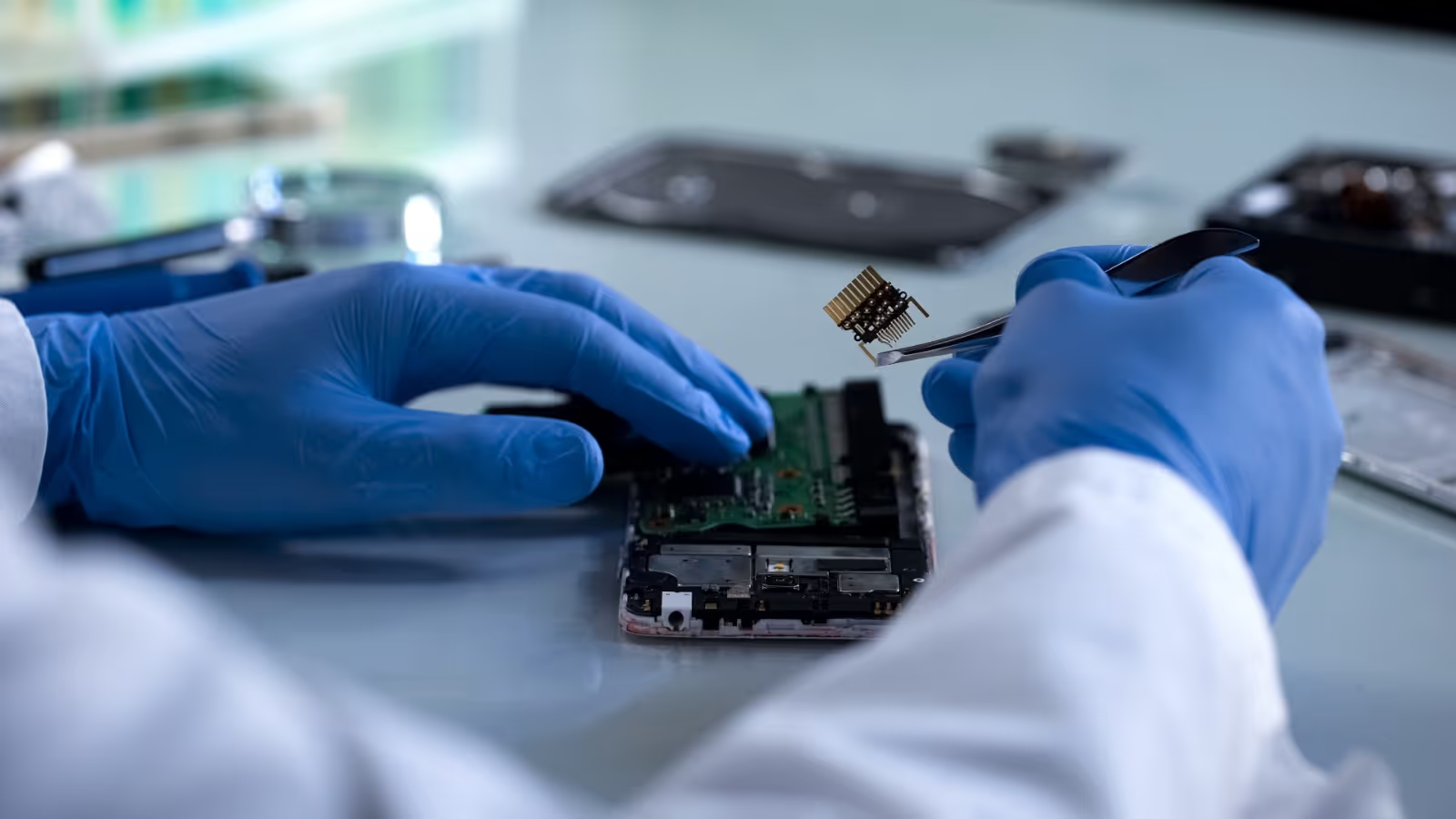
Modern investigations tend to treat digital evidence from computers and mobile devices as the most reliable form of proof. But when messages, metadata, and recovered raw data are taken at face value, the wrong information can quickly shape the entire case.
Understanding Digital Evidence
In today’s criminal justice system, investigations into sexual allegations often include material found on phones, laptops, and cloud accounts. In the UK, both the police and the CPS see these messages, images, and app data as critical pieces of evidence.
Like many people, they believe that such material is naturally objective, clear, and impossible to dispute. If something is on a device, it must be true.
But that assumption is not always correct.
While material from digital forensics investigations can be incredibly useful for determining what happened in a case, they are far from perfect. Digital devices themselves are incapable of telling the full story on their own. Instead, they only show fragments of communication, often without context.
Unfortunately, how investigators interpret digital evidence early on can shape the entire direction of a case. Without careful scrutiny or challenges, flawed assumptions can quickly become fixed narratives. They can even imply criminal activity that didn't take place.
This is just another reason why early legal involvement from a specialist solicitor is so important.
What is Digital Forensics?
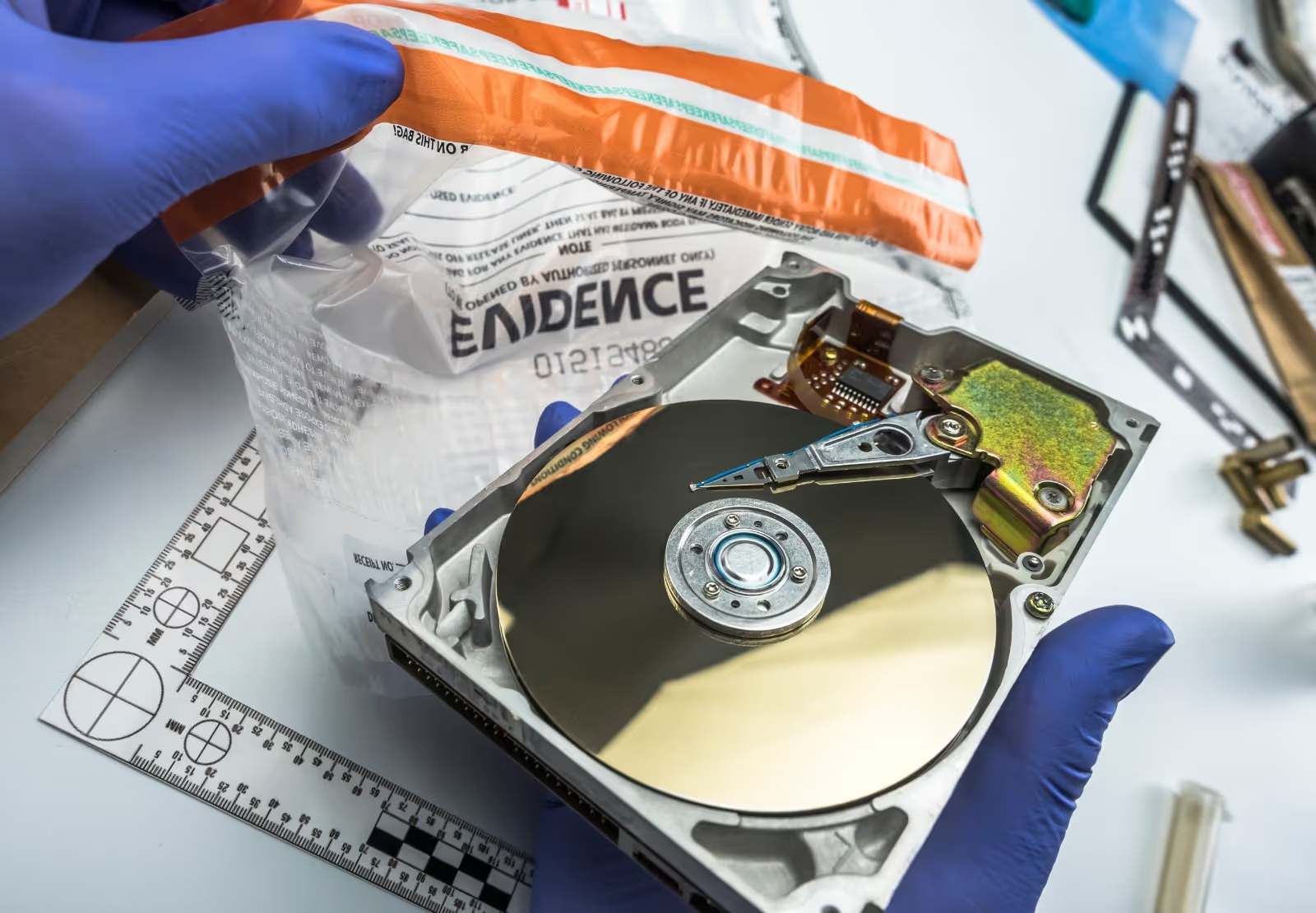
In a legal context, digital forensics refers to the process of identifying, preserving, analysing, and presenting data from electronic devices. This includes things like mobile phones, computers, tablets, and cloud-based accounts.
It is closely related to the field of computer forensics, though the latter focuses more specifically on data from computers and digital storage systems. When necessary for a case, investigators will utilise forensics techniques to examine a wide range of material, including:
- Text messages
- Emails
- Social media activity
- Images
- Videos
- Browsing history
- App usage
Law enforcement agencies typically rely on trained experts using specialised forensic tools to extract data from devices. Such data extraction tools can quickly pull large volumes of information, sometimes capturing years of interactions in a single process.
Once data collection is complete, investigators will utilise the recovered material to build timelines, identify patterns of communication, and, where possible, support complainants' allegations.
How is Digital Information Used in Sexual Allegations?
In sexual allegation cases, digital evidence often becomes central to both the defence and prosecution’s case. Messages between parties, location data, and timestamps can all be used to support or challenge an account. In many cases, this digital material becomes the lens through which all other evidence is viewed.
This also matters for charging. The Crown Prosecution Service will often rely heavily on this data when deciding whether there is a realistic prospect of conviction. The UK Government even provides detailed guidance on the chain of custody and how such material should be handled.
But guidance and familiarity are not enough to eliminate the possibility of errors. The sheer amount of this evidence, combined with its complex nature, means sex crime cases are still largely dependent on human interpretation.
Data Extraction and Deleted Messages
One of the most common modern misconceptions is the belief that nothing is ever truly deleted. The popularity of internet queries such as “how to find a deleted message” and “how to recover deleted WhatsApp messages” suggests that most people believe they can retrieve any digital data without difficulty.
In practice, this is far more complex. When police carry out data extraction, they may recover three main types of data:
- Live data - What is currently visible on the device.
- Deleted data -Information that has been removed but may still exist in storage.
- Cloud backups – Data stored remotely on services like iCloud or Google Drive.
While it is sometimes possible to recover deleted material, it is far from guaranteed. For instance, data can be overwritten, partially corrupted, or lost entirely. Often, the information is incomplete, meaning that a message might appear without its reply, or a conversation may be missing key sections.
According to research by the National Institute of Standards and Technology (NIST), digital recovery processes produce inconsistent results at best. Their success depends not only on the device but also on the operating system and the time elapsed since deletion.
This matters because context is everything. A single message, taken out of a longer thread, can appear to mean something very different from what was originally intended. Without the full conversation, tone and meaning can easily be distorted.
Metadata, Context, and Misinterpretation
Beyond the content of messages and emails, investigators also rely heavily on something called metadata. Metadata includes information such as timestamps, file creation dates, edits, and sometimes location data.
Once again, such data often appears highly precise and objective on the surface. But as with incomplete messages and other recovered data, it has the potential to be misunderstood or actively misinterpreted.
For example, a timestamp might show when a message came through rather than when it was written. Likewise, time zones, device settings, and syncing issues can all affect accuracy. Investigators may interpret gaps in conversations as deliberate omissions when, in reality, they result from missing data or technical limitations.
This is one of the greatest risks in digital evidence. Selective extracts can create a misleading narrative that, over time, shapes the entire case.
The Problems with Digital Evidence: Gaps, Bias, and Delays
While there’s no arguing the importance of digital evidence. However, we cannot simply take it at face value. This is not only true of investigators, but of defence teams, juries, and judges presiding over cases.
Here are the facts:
Data Extraction is Not Always Complete
Devices may be damaged, locked, or incompatible with certain forensic tools. Even after a successful extraction, analysts may only review a portion of the data due to time constraints.
Conversations Are Often Fragmented
Missing messages, partial threads, and communication gaps can lead to incorrect assumptions. There is also no way to definitively prove who actually used a device at a given time, particularly in shared environments.
Delays Are a Major Issue
Digital forensic analysis can take months, and in some cases, even longer. During this time, individuals may remain under investigation without clear answers. These delays can create prolonged uncertainty and stress for those involved.
While hard to quantify, one of the biggest issues remains the way early narratives can take hold due to incomplete, misunderstood, or misrepresented digital evidence. Even if later analysis reveals gaps or inconsistencies, solicitors face an uphill battle to undo the damage.
Challenging Digital Forensics at the Pre Charge Stage
The risks of the police and prosecution accepting digital evidence at face value are severe enough that early legal intervention becomes critical.
During the pre charge stage, defence solicitors have the opportunity to closely examine the digital forensics process. This includes questioning the methods used for data extraction, the reliability of the recovered data, and how the investigators ultimately interpreted the information.
A skilled legal team will look for exculpatory material within large datasets, such as messages or data that support the client’s account. They may also instruct independent computer forensics experts to review the findings and identify potential flaws or biases.
This proactive approach is at the heart of pre charge engagement. Rather than waiting for a charging decision, defence teams can get ahead of the process, present alternative interpretations, and highlight weaknesses in the evidence.
When the exculpatory evidence is there, it could be enough to convince the CPS not to bring charges at all.
Why Early Intervention with Holborn Adams Matters
Digital evidence now plays a central role in many sexual allegation cases. This means that phones, laptops, and cloud data are often treated as definitive sources of truth.
But as we have seen, digital forensics is not infallible. As with witness testimony and other evidence, digital data can be incomplete, misinterpreted, or taken out of context.
Without careful analysis, these issues can lead to serious consequences. Assumptions may harden into accusations, and partial evidence may form the basis of a charging decision.
Holborn Adams specialises in pre charge strategies that can challenge digital evidence before it shapes the outcome of a case. By engaging early, our team can question how evidence has been gathered, ensure that context is properly understood, and influence how the investigation develops.
In cases driven by digital material, timing and expertise are everything. The right approach at the right moment can be the difference between a case proceeding or ending before it ever reaches court.

